

One of our clients came to us looking for a unicorn: a UX designer who understood sales, brought real creativity, and could hold their own with executives.
The problem wasn’t that he didn’t know what he needed. He didn’t know what to call it.
That’s where many design hires go wrong. You hire for UX skills and end up with a capable designer who waits for tickets when you needed someone to understand the business, challenge product decisions, and take ownership of outcomes.
Hiring managers are increasingly looking for the same thing. As one senior designer put it on Reddit: “... They care whether you can take one messy problem, frame it well, make decisions under constraints, and show the tradeoffs clearly. Seven months can disappear fast if too much of it goes into courses, frameworks, and polishing a plan…”

The part that jumps out is that the roadmap is very curriculum shaped and not very hiring shaped. Recruiters do not care that you touched every box. They care whether you can take one messy problem, frame it well, make decisions under constraints, and show the tradeoffs clearly. Seven months can disappear fast if too much of it goes into courses, frameworks, and polishing a plan.

That matters even more as AI makes producing screens faster. The value of a product designer is shifting toward knowing what to build, why it matters, and what business or product metric it should improve.
We see that shift firsthand at Eleken. Our SaaS designers start with business goals and product metrics, work through UX and prototyping, and prepare designs for developer handoff. So this guide will help you figure out what kind of product designer you need, how to evaluate one, and whether hiring in-house is the right move at all.
And if you need more advice on how to hire designers like a pro, watch the video below:
What does a product designer do?
Product designers own the product experience end to end, from deciding what to build to preparing designs for development.
That includes product strategy, feature prioritization, user research, wireframes, prototypes, UI, design systems, and developer handoff. They also keep product and engineering aligned as ideas move from concept to shipped features.
Typical deliverables include Figma files, FigJam boards, user flows, component libraries, product specs, and acceptance criteria.
For hiring, think of a product designer as someone responsible for business outcomes like activation, retention, conversion, and whether the product can scale beyond its first users. Screens are the output, not the job.
One of our clients described the role well: “Someone who is part product thinker, mostly designer, and closely embedded with developers. They work from PRDs, question assumptions, talk to users and engineers, and solve the problem before they start polishing the interface”.
Another client put it even more simply: they didn't want another generic dashboard. They wanted the real problem solved, even if the solution looked unlike anything they'd seen before.
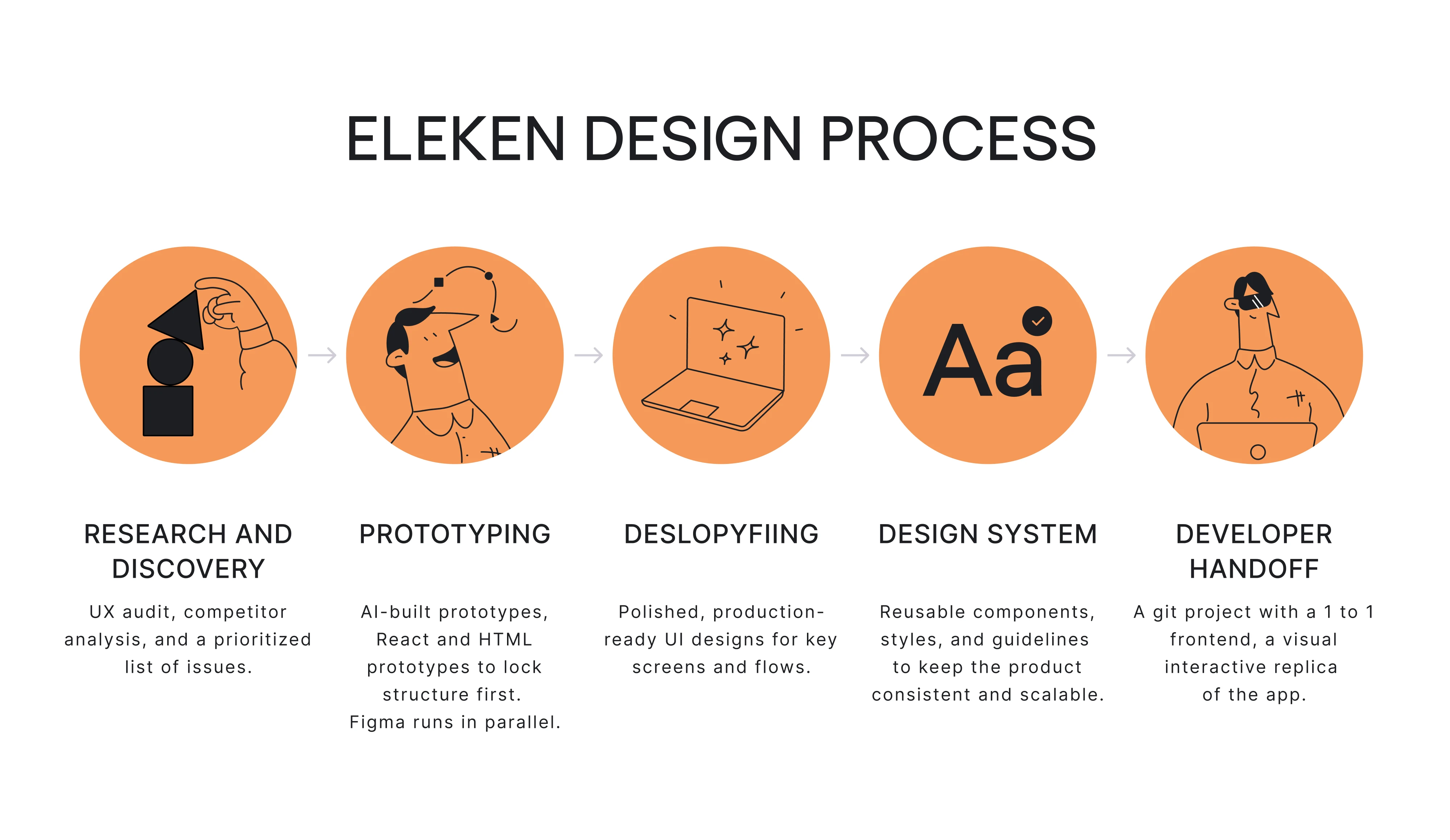
That is also how we work at Eleken. We start by asking: what can we improve to help the product make more money? From there, we move through research and discovery, prototyping, and a design system, then support implementation with frontend work, Git-ready code, and a smooth developer handoff.
If you're still mapping the design landscape, our guide to different types of designers breaks down who does what.
Product designer vs UX designer: the difference that costs you money
Let’s determine whether the rest of your hiring process works. Get it wrong, and every downstream step is optimized for the wrong outcome.
- A product designer splits roughly 60/40 between strategy and execution. They're accountable for business outcomes and product direction. They'll argue about what belongs on the roadmap and push back on a feature request. Also, they explain why the underlying problem is different from the one you described.
- A UX designer optimizes what already exists. Friction, usability, conversion, clarity. They take a flow that works and make it work better. That's a real discipline and often exactly what a company needs.
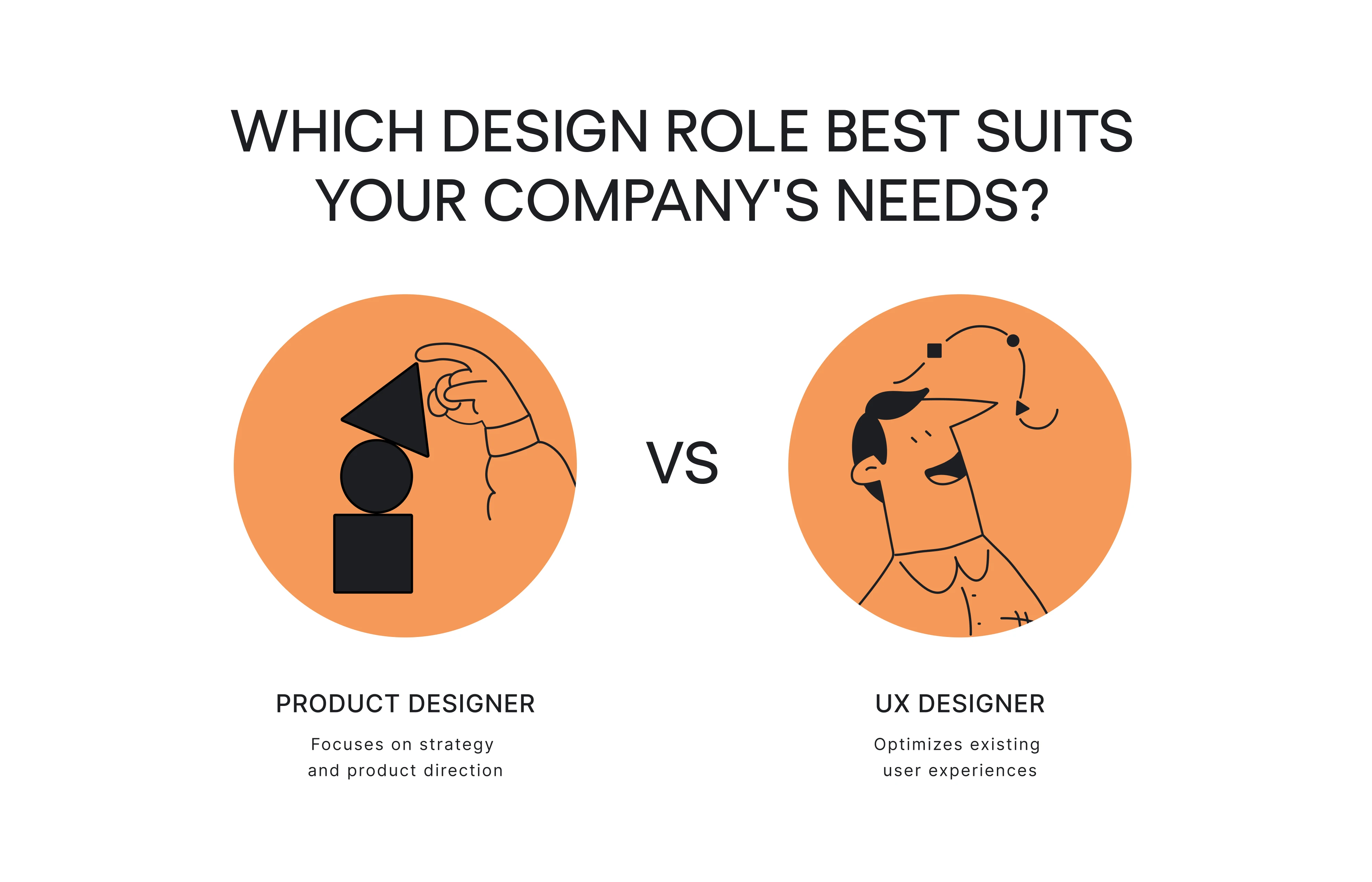
The task split gets concrete fast. UX handles research, wireframes, and usability testing. Product design adds analytics interpretation, roadmap input, design sprint leadership, and stakeholder alignment.
Now the trap.
Both roles use the same tools. Figma, Miro, Maze, Hotjar, heuristic evaluation, cognitive walkthroughs, usability tests. Both portfolios look nearly identical because both contain screens. That's how the wrong hire gets through a good interview process.
One of our clients described the gap without using either job title. He wanted a “designer who proposes an approach and explains the reasoning behind it. Not one who waits to be told. That's the line.”
Product thinking questions the assumption behind the request. UX optimization accepts the request and executes it well.
We wrote a full comparison of product designer vs UX designer: who to hire if you want the deeper cut. If you've already decided you need UX specifically, our guide to hiring UX designers is the better next stop.
When should you hire a product designer?
The right time depends on your product stage and what needs to change.
Pre-PMF and seed: hire product designer first
Before product-market fit, your problem is direction: what to build, for whom, and in what order. Optimizing a signup flow for a product that might pivot in eight weeks is an expensive way to feel productive.
Look for a product designer who can work with that uncertainty. One of our clients described the profile well: five to seven years of experience spanning research, competitive analysis, product design, implementation, and defining a North Star direction. In other words, someone who can shape the product, not just execute screens.
Keep the team lean at this stage. One or two strong designers can usually cover an early product without adding unnecessary coordination.
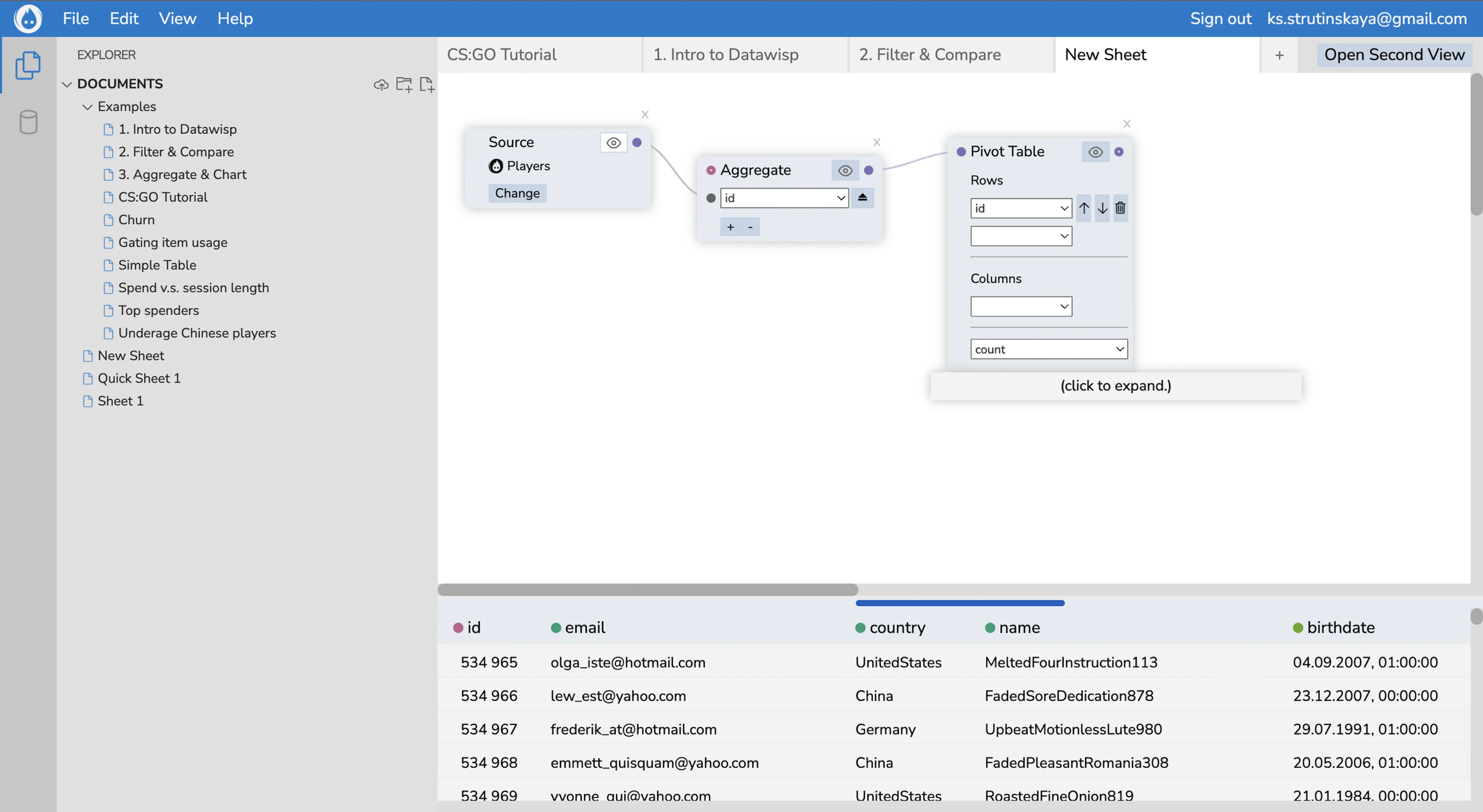
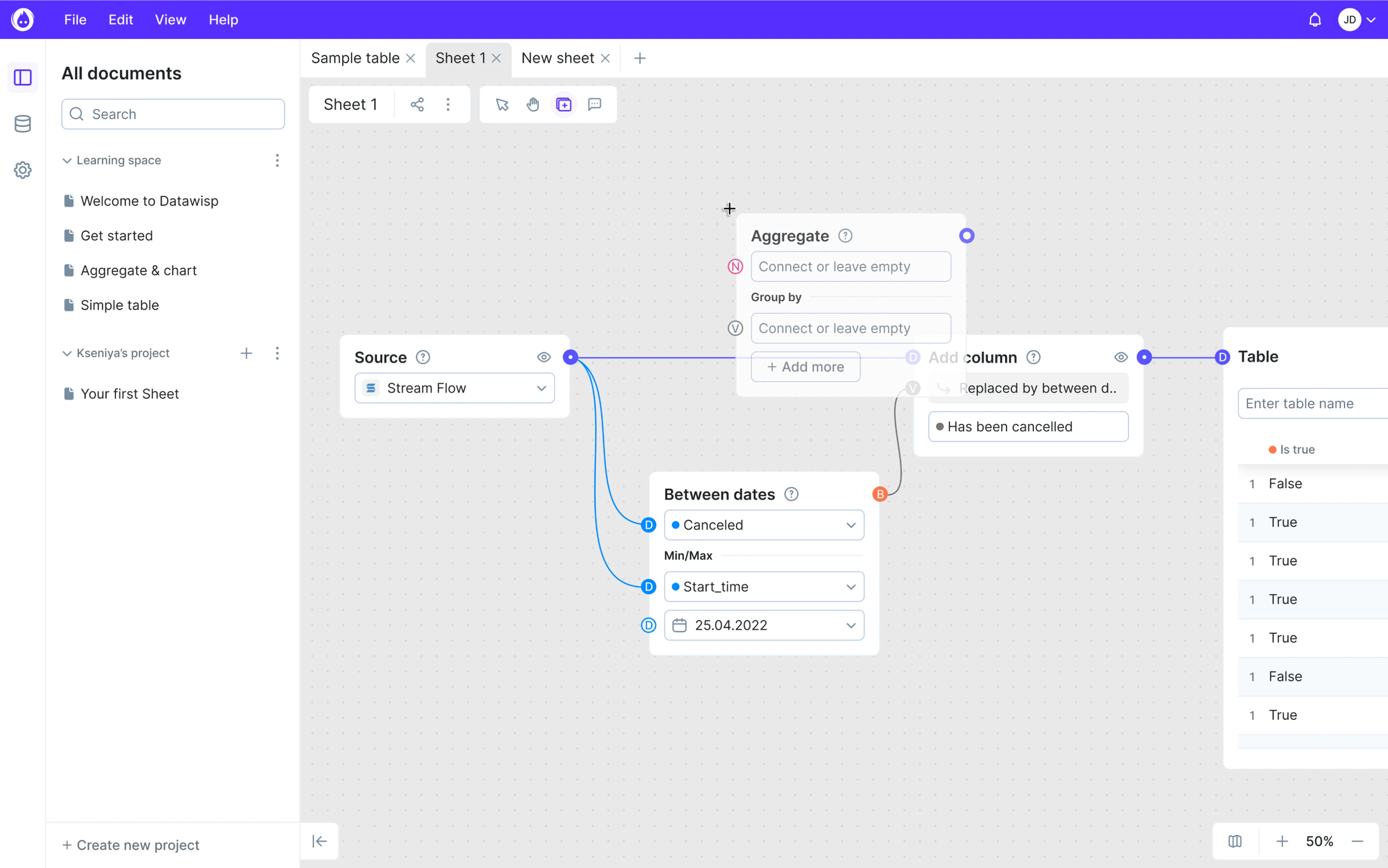
Datawisp is a good example. The team had already used a raw prototype to validate its idea and raise a $435K pre-seed round. For the next stage, it needed to turn that concept into a credible MVP but didn't have an experienced product designer in-house.
Eleken started with the product's core experience, redesigning the main screen and exploring several directions before expanding the work into a full product redesign. Datawisp later raised a $3.6M seed round.
Post-PMF and Series A to B: shift toward UX specialization
Once the direction holds, the questions change. Activation, onboarding, trial-to-paid conversion, support ticket volume. These are optimization problems, and they respond well to a UX specialist.
The signals are easy to spot. Users sign up and never reach the moment where the product clicks. A feature nobody adopts. A support queue full of the same three questions.
Zaplify hit exactly this inflection point. Activation was sitting around 20 to 25%, so we redesigned onboarding and the core UX. Activation moved to roughly 40%. The product changed the path it had.
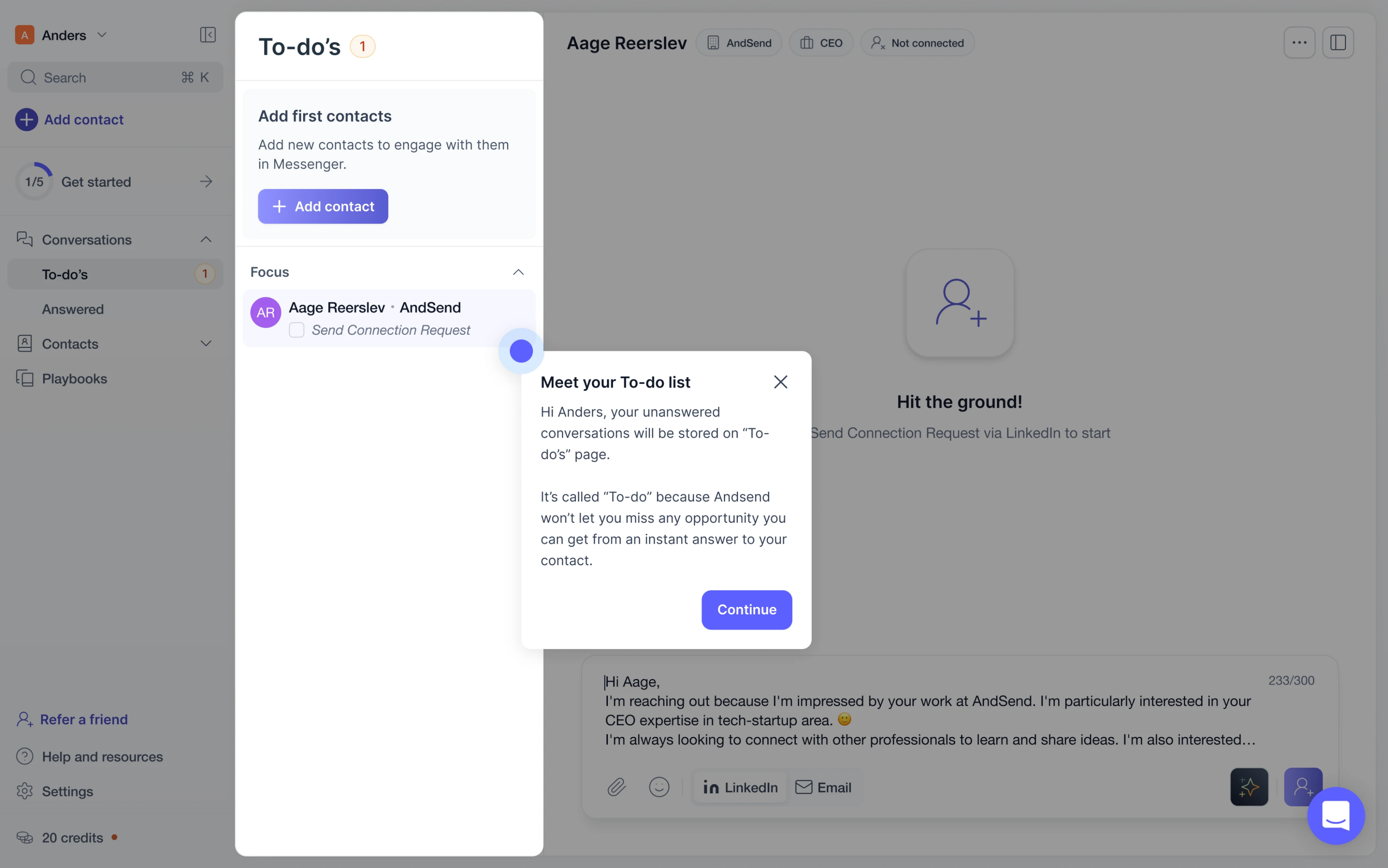
MyInterview had a harsher version of the same problem. Around 90% of users abandoned mid-interview, which for an interview product is close to fatal. We reworked both the candidate and recruiter flows to fix the dropout.
Video: https://r2.vidzflow.com/source/e2b496c8-a1de-4040-a279-bbc949082a48.mp4
One more signal, straight from a client conversation: their team didn't need more screens; they needed the bandwidth to run proper research and act on user feedback. If that sounds familiar, you're at this stage.
Planning the whole function rather than one hire? Start with how to build your design team.
What skills and tools should you look for?
Here is the list part first for a product designer, since you'll need it for the job post.
- Hard skills: user research, wireframing, prototyping, information architecture, interaction design, visual design, dashboard design, data visualization, and enough business acumen to connect a design decision to a number.
- Tools: Figma, Sketch, Adobe XD, Miro, FigJam, Maze, Hotjar, Overflow, Axure, Balsamiq, Framer, Zeplin, Notion, Jira.
- Frameworks: Double Diamond, Jobs-to-be-Done, design thinking, heuristic evaluation, progressive disclosure, ICE for prioritization, and the Lean Hypothesis Prioritisation Canvas for weighing value against effort and risk.
- Process fluency: define, ideate, validate, design, develop. Plus discovery, UX audits, usability testing, and A/B testing.
Yet, that list tells you almost nothing about whether someone is good.
Tool fluency is table stakes. Every candidate will list Figma.
A designer on Reddit said the quiet thing out loud recently: “Research fundamentals, both quant and qual needs to happen way sooner, also too much focus on Figma and other tools. A good designer can deliver on a napkin, that still holds in 2026…”
Research fundamentals, both quant and qual needs to happen way sooner, also too much focus on Figma and other tools. A good designer can deliver on a napkin, that still holds in 2026.
Our clients say the same thing from the buyer's side. One drew a hard line between real SaaS product work and front-end brochureware. He wanted design thinking applied up front, adaptability when the plan changed, and something close to customer obsession. Others wanted proof of shipped products rather than prototypes, and flows that follow established UX conventions instead of reinventing a date picker.
The most common request we hear? Someone who raises the quality bar. Plenty of teams have high standards and no design expertise to meet them.
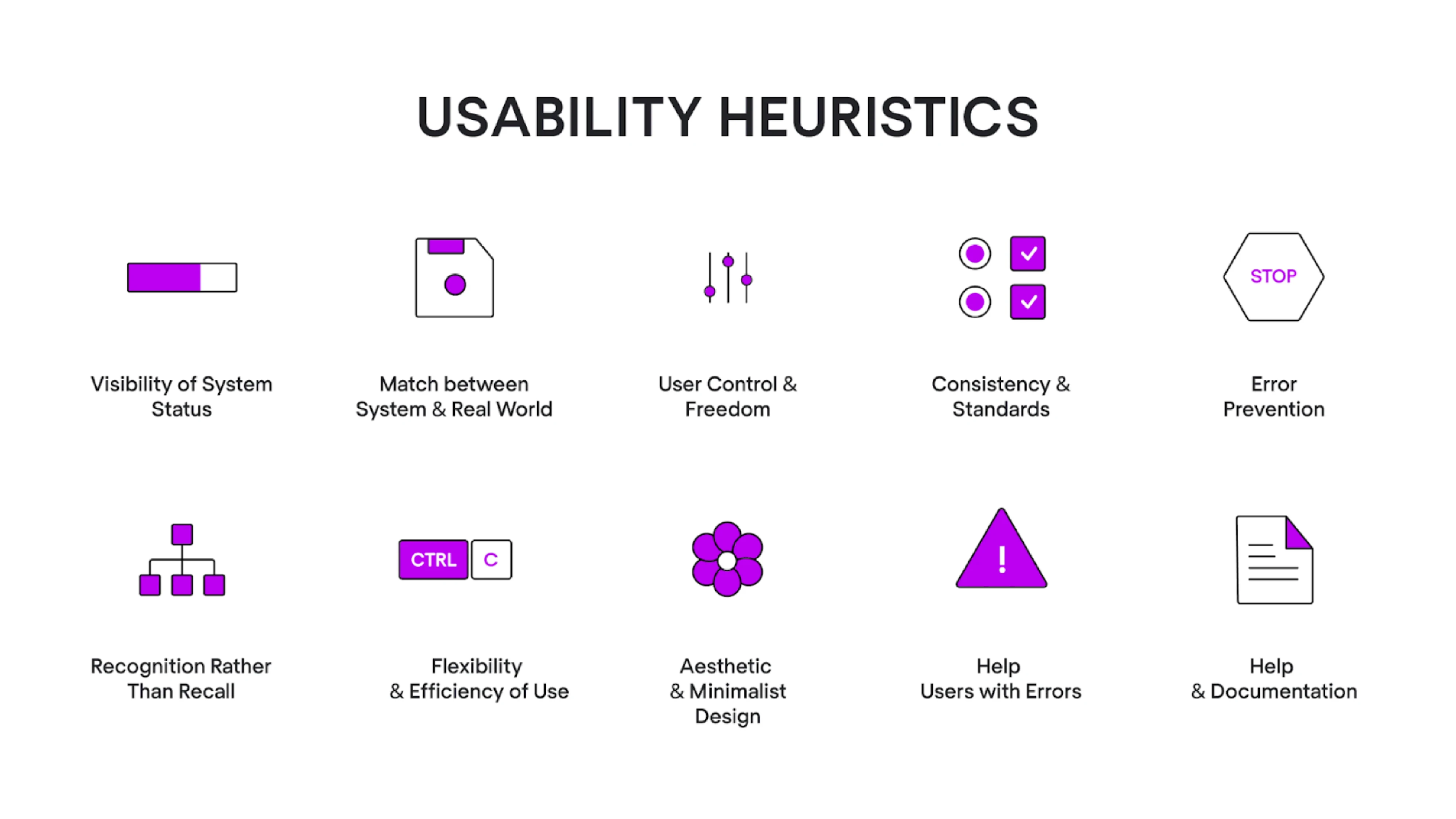
For what it's worth, our heuristic audits run on Nielsen's ten usability heuristics with a three-level severity rating. That single framework surfaces roughly 80% of the UX problems in a typical SaaS product. Ask a candidate how they'd audit your product. If the answer has no structure behind it, you've learned something.
How do you evaluate candidates?
Start with the work, but don’t judge it by how polished the screens look.
What to look for in a portfolio
Skip the Dribbble-style shots and read the case studies. Look for the problem, the constraints, the decisions, and the result. A strong portfolio should show what changed and why, not just the final UI.
Check whether the shipped product resembles the designs. Look for complex product work too: dashboards, data-heavy flows, permissions, settings, onboarding. A polished landing page proves visual skill; making a complicated workflow feel simple proves product thinking.
Most importantly, look for outcomes:
- Did activation improve?
- Did users reach value faster?
- Did conversion increase or support requests fall?
The designer doesn't need a metric for every project, but they should be able to explain what success meant and how their decisions contributed to it.
A hiring scorecard
Rate every candidate 1 to 5 on six dimensions, and have every interviewer score independently before you compare notes:
Run it across a case study interview, a whiteboard challenge, a live critique, and a small paid test project. The critique is underrated. Watching someone tear apart an existing design tells you more about their judgment than watching them make a new one.
Red flags to watch for
A strong portfolio tells you what a designer can make. These red flags tell you whether they can think like a product designer for hire:
- A portfolio full of screens but no outcomes.
- No evidence of user research or validation.
- No handoff artifacts or signs of working closely with developers.
- A generic process that sounds identical across every project.
- An inability to explain why they chose option A over option B.
That last one matters most. Use the interview to separate what the candidate personally contributed from what happened around them. Ask them to walk through a difficult decision:
- What data they had.
- What tradeoffs they considered.
- What they chose, and what happened after.
If they can't explain the reasoning, polished screens won't tell you much. The problem is that even a thorough hiring process is still a prediction. You don't really know how a designer will perform until they work on your product.
That's why Eleken starts with a free 3-day trial. Instead of evaluating another hypothetical case study, you give us a real product problem.
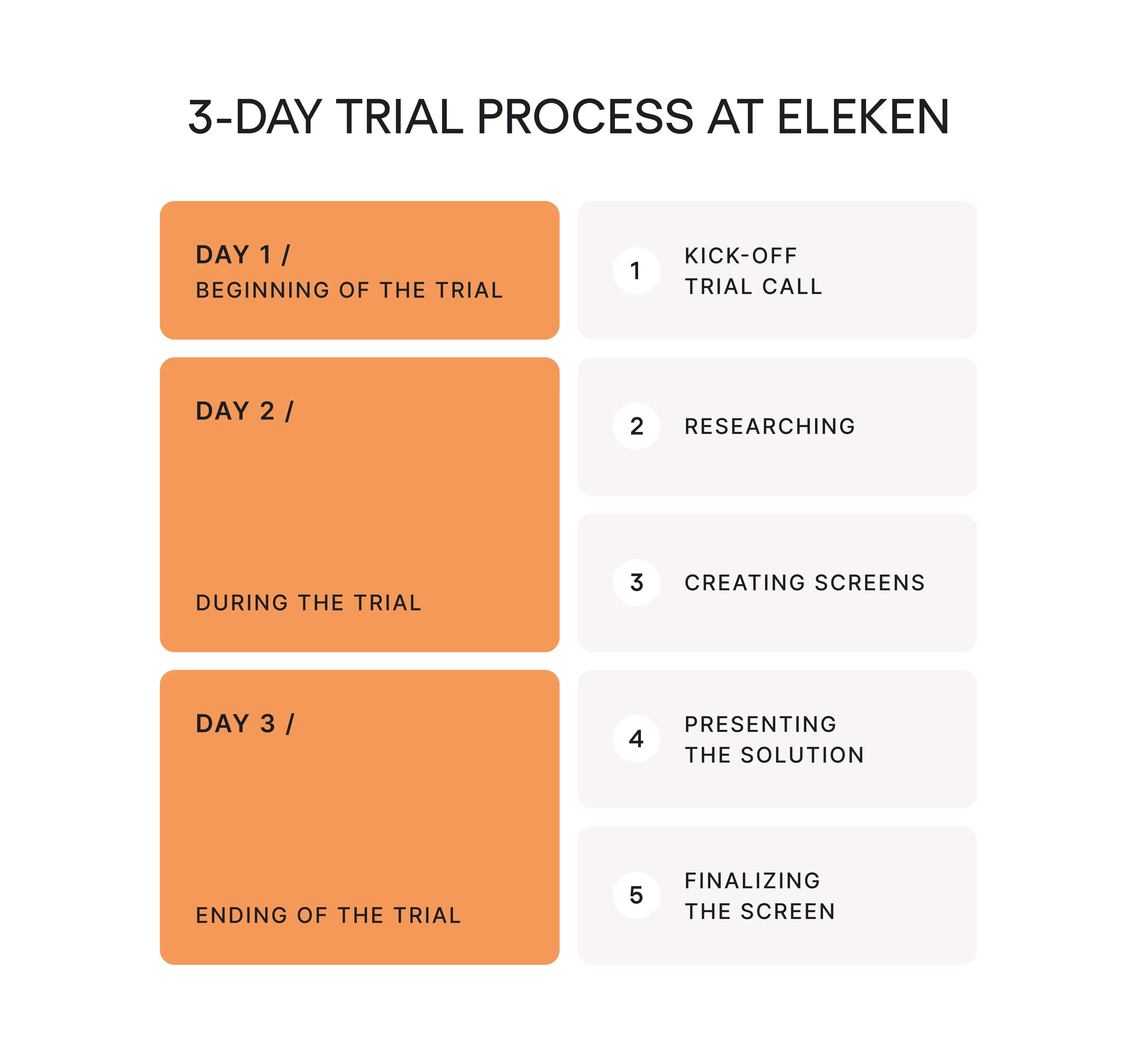
Our designer works with your context and constraints and delivers one or two screens, so you can evaluate their thinking, communication, and execution before committing.
More on the assessment mechanics in how to evaluate UI/UX designers before hiring them.
Where do you find product designers?
The best place depends on what you're hiring for: a full-time teammate, freelance help, or an experienced designer who can plug into the product quickly.
- LinkedIn: best for full-time and senior hires, but expect a lot of sourcing and screening.
- Dribbble and Behance: useful for judging visual craft, less useful for proving product thinking or business impact.
- Wellfound: a better fit for startup-native designers comfortable with early-stage ambiguity.
- Upwork: a huge talent pool with equally wide variation in quality. Useful for freelance projects and paid trials.
- Toptal: does more of the screening for you, but you'll pay a premium for it.
- Indie Hackers: a smaller, less predictable pool, but useful if you want someone comfortable working with founders and early-stage products.
There's also another option: a specialized product design agency. It makes sense when you need senior product design expertise now but don't want to spend months hiring, or when the workload doesn't justify another permanent role. This is the model we use at Eleken: SaaS companies get a dedicated product designer who works directly with their team, backed by our wider design expertise.
Then there's the model question.
One pattern is worth calling out: founders who've been burned by an agency often want a trial before committing again, and reasonably so. A trial shifts the risk: instead of trusting a portfolio and promises, you see how the team works on your actual product before signing a longer contract.
Another pattern we see constantly: companies don't want a vendor; they want a teammate. One client described it as someone who plugs into their remote team, works directly with PMs and engineers, and stays as long as the product needs them. That's the subscription-based embedded model we use at Eleken.
A dedicated designer joins your standups, works in your sprints and tools, and ships continuously instead of disappearing for six weeks and returning with a big reveal.
Speed is another advantage. For example, when b.well lost its designer mid-project, Eleken placed two senior designers within a week, helping the team keep the project on schedule.
Weighing the structural choice? In-house designer vs agency lays out both sides.
How much does it cost to hire a product designer?
We used Clutch's 2026 product design pricing data as a benchmark. Product design projects reviewed on Clutch typically cost $10,000–$49,999, but what you pay depends heavily on scope, expertise, and location.
Clutch reports prototype pricing separately at $50–$99/hour, while agency rates vary considerably by location.
Clutch's product design category covers both digital and physical products, and scope and complexity are major price drivers. More research, prototypes, iterations, and specialized expertise generally mean a larger budget.
The pricing model matters too. Clutch identifies fixed price, hourly, and retainer as common options:
- Fixed pricing works when the deliverables are predictable.
- Retainers make more sense for ongoing product work where priorities change.
We use a subscription model instead. Product design work happens within one ongoing engagement rather than pricing research, UX improvements, prototypes, and iterations as separate projects. For SaaS teams, that means the designer can follow what the product and its metrics say needs attention next, rather than being locked into a scope defined months earlier.
Hire product designer for the outcome
Before you post a product designer role, define three things: your product stage, the problem you need solved, and the metric that should improve.
Most hiring mistakes start there. Teams hire UX specialists before the product direction is stable, write unicorn job descriptions covering six disciplines, judge portfolios by visuals, or bring someone in without clear success metrics. If nobody can say what good looks like in 90 days, you'll end up evaluating the designer on output instead of impact.
The stage gives you a useful starting point:
- Pre-PMF: prioritize product thinking. You need someone who can research, challenge assumptions, prototype, and help decide what to build.
- Post-PMF: hire around the metric that's stuck. If activation or conversion is weak, you need someone who can diagnose the user behavior behind it, not simply redesign the screens.
- Scaling: prioritize embedded expertise and speed. Your designer needs to work closely with product and engineering, ship continuously, and keep the system consistent as the product grows.
And don't turn that into a unicorn job description. Strategy, research, UI, motion, front-end, analytics, and stakeholder management aren't one role. Define the two or three capabilities that matter now and build your product designer job description around them.
At Eleken, this is also how we approach matching designers with SaaS companies: start with the business outcome, understand the product and its metrics, then bring in the design expertise needed to move it forward.
If you'd rather see a designer work on your actual SaaS product than spend another month interviewing, start with Eleken's free three-day trial. Get in touch with Eleken, and we'll put a dedicated designer on your product this week.


.webp)