.webp)


How much does it cost to hire a designer?
No matter if you're a startup owner or a CEO of a huge enterprise, you'll inevitably face this question. A product can technically be developed without any designer involvement, but creating an intuitive app design and a seamless user experience is much harder without one.
So, when it is your first time looking for a professional, our article will help you grasp an idea of how much they charge, what their rates depend on, and where to find a good fit for your team.
How much do UX designers charge?
When hiring a designer, the cost can be surprisingly high, and it’s important to go in with realistic expectations.
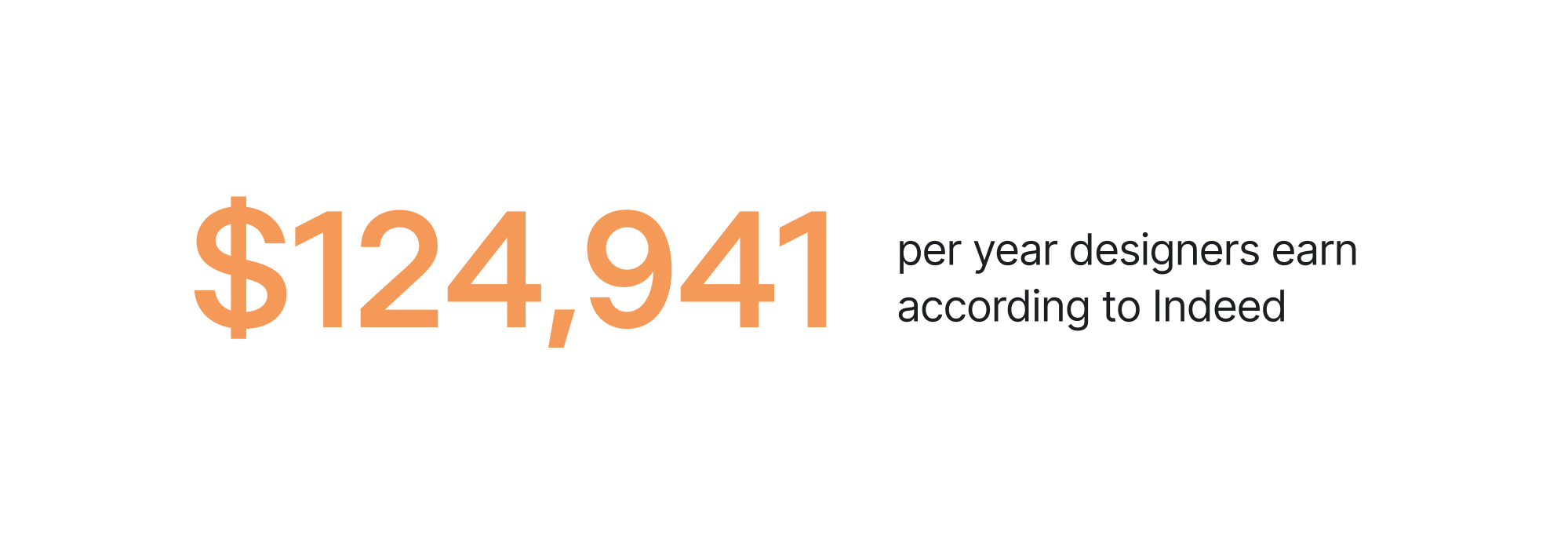
In the U.S., for example, the full-time salary for a UX designer is about $124,941 per year, according to job-posting data on Indeed. That translates to roughly $52 per hour, assuming a 40-hour week.
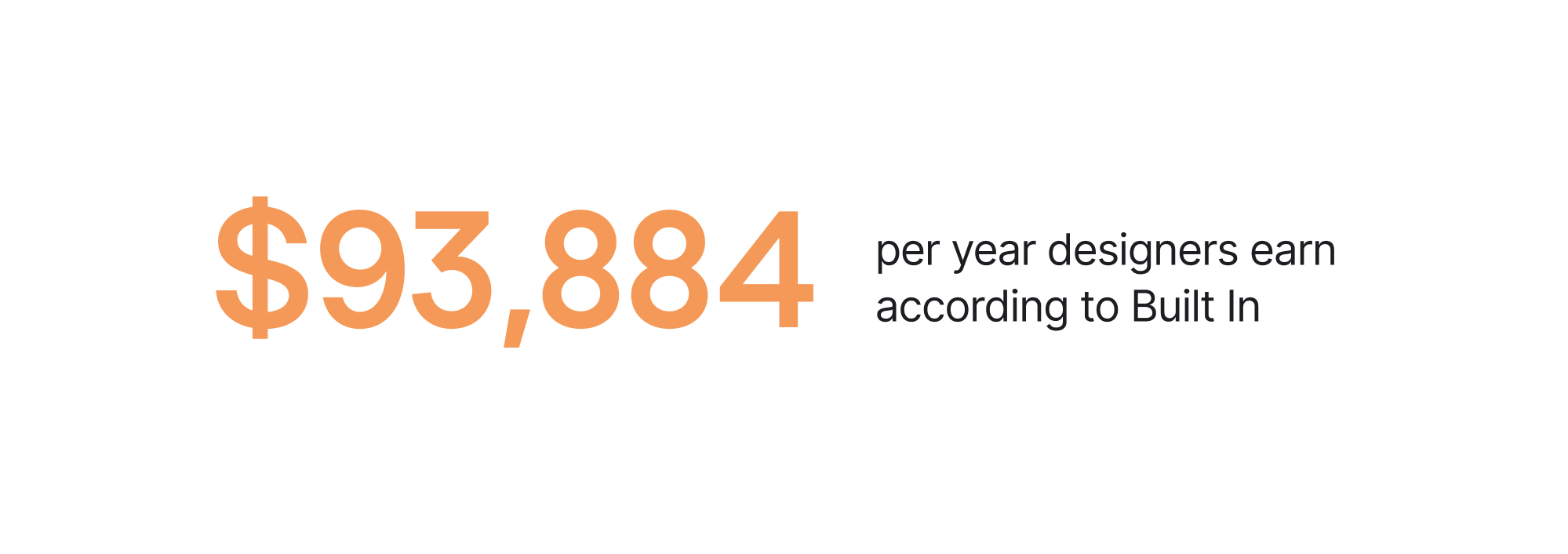
Other sources show similar figures. Built In reports that the UX designer salary in the U.S. is around $93,884 per year, though this can vary widely depending on location, seniority level, and whether compensation includes bonuses or stock.
Compared to the U.S., designer fees in Europe are lower, and rates vary widely by country. For instance, designers in Western European countries have higher salary expectations than those in Eastern Europe due to higher taxes and a higher cost of living.
Still, you can expect the median UI/UX designer salary to drop to approximately $50K. We'll break down the price ranges according to the location and the skill level later in this article.
So as you can see, it is not cheap to hire UX designers or product designers. So the logical question is, why is it so? We're just about to answer this question.
Key factors that influence designers' rates
There are many factors that influence a designer’s salary expectations, but the most important ones are their experience level, specialization, location, and the complexity of the project you need them for. Let’s look at each of these in more detail.
Experience level
Experience is one of the strongest predictors of how much a designer will charge. In simple words, the more years they’ve spent solving product problems, working with cross-functional teams, and shipping advanced features, the higher their compensation tends to be.
According to Indeed, entry-level UX designers in the U.S. earn around $82,000–$90,000 per year, depending on the region and company size. Designers typically need 3–5 years to progress to a mid-level role, where salaries increase to roughly $100,000–$115,000 annually.
Senior designers, those with 10+ years of experience, often earn $120,000–$140,000 per year or more, especially if they have experience with complex digital products (fintech, healthcare, AI), lead responsibilities, or a strong research background.

Beyond pure years of experience, a few factors can push compensation higher:
- Portfolio quality: shipped products, measurable impact, problem-solving depth, and evidence of improving user satisfaction through design decisions.
- Specialized skills: research, interaction design, visual systems, design ops.
- Leadership experience: mentoring junior designers, leading sprints, collaborating with PMs and engineers.
For startups, this means that while junior talent may be more affordable, senior designers bring speed, fewer revisions, and the ability to work autonomously, often making the higher cost worth it.
Specialization
It may come as a surprise, but when talking about design, there are more roles than everyone’s favorite “UI/UX designer.”
Smaller startups often hire one generalist who can cover everything from user flows to polished UI. But larger companies tend to work with more specialized roles, each with different responsibilities and different salary expectations.
Here are the most common design roles and how much they typically earn in the U.S.:
- UI Designer
Focuses on the product’s visual language, including layouts, typography, colors, and more.
Average salary: $65,000–$95,000 per year. - UX Designer
Works on user flows, wireframes, navigation, usability, and problem-solving.
Average salary: $90,000–$125,000 per year. - Product Designer
A hybrid role that often takes responsibility for the entire product experience.
Average salary: $105,000–$140,000 per year, sometimes higher in tech hubs. - Interaction Designer
Specializes in interactive elements, custom animations, and the behavior of the interface.
Average salary: $90,000–$120,000 per year. - Information Architect
Focuses on content structure, navigation systems, and organizing complex information.
Average salary: $95,000–$130,000 per year. - UX Researcher
Conducts interviews, tests, and studies to understand user needs.
Average salary: $95,000–$140,000 per year. - UX Writer / Content Designer
Works on microcopy, product messaging, and UX-driven content.
Average salary: $70,000–$120,000 per year. - Web Designer
Usually focuses on marketing websites rather than product UX.
Average salary: $55,000–$75,000 per year.

As you can see, roles that involve deeper user understanding or UX strategy tend to pay more, while visually focused roles like UI or web design sit at the lower end of the spectrum.
For startups looking for a “universal soldier,” a product designer or UI/UX generalist usually brings the best balance of broad skills, strategic thinking, and day-to-day execution.
Location
The designer's whereabouts are the next salary-influencing factor you have to consider.
UX and product designer salary in the US varies from one region to another. High-cost tech hubs like San Francisco, New York City, Seattle, and Chicago, where major tech companies are headquartered, typically pay much more than markets where the IT sector is less dominant.
The picture below shows this difference. “Cheaper” states are colored in pink, “more expensive” in blue, while black means no data available.

Because of this regional variation, costs can be 25 % or more higher depending on location. That is why some businesses are searching for employees who don't have to pay the rent in the Bay Area.
Globally, the picture also varies considerably. While there is no single global database covering every country, multiple sources still provide useful insights.

Hiring a designer from Canada or Australia will cost you around $55K. In the UK, as well as in most EU countries, the average UI/UX design cost is somewhere around $50K, as mentioned, with Germany and Norway being the priciest.
As for Central and Eastern Europe, the numbers are around $30 to $40K. Chinese developers have salary expectations similar to their Eastern European colleagues, but in Singapore and Japan, a UX designer's salary will go up to $66K.

Of course, looking for a designer from abroad is not as easy as it seems. Employing people overseas means having meetings with a big gap (typically from 6 to 10 hours difference) and experiencing potential communication barriers.
But it's still doable! If you wonder where you can look for good candidates from all over the world, check our guide on how to find a designer for SaaS.
Project complexity
The scope and complexity of your product have a direct impact on the final cost of the project. A simple landing page or a basic MVP with a handful of screens requires far less time and expertise than a full-scale SaaS platform with multiple user roles, integrations, and edge cases.
Designers typically assess complexity based on factors like:
- Number of screens or features. A 10-screen MVP and a 45-screen enterprise dashboard naturally demand different budgets.
- User roles and permissions. Multi-role systems (admin, manager, end user) double or triple the UX work.
- Integration requirements. Products that must connect to APIs, external services, or third-party tools require more planning and user testing.
- Design system needs. Creating or updating a robust design system increases cost upfront but reduces development friction later.
- Product maturity. Designing from scratch is different from working with a legacy product that requires auditing, fixing inconsistencies, or cleaning up past decisions.
If the scope is complex, the designer will need to spend more time on user research, flows, wireframes, states, usability rules, handoff, and collaboration with engineers. This is why two designers with the same skill level can give you completely different quotes.
Domain expertise
The industry you’re operating in and the level of domain expertise required also play a significant role in how much a specialist will charge you for a custom design.
Some sectors are more complex than others, requiring designers to understand regulations, user behavior patterns, security standards, and terminology before they can create effective solutions.
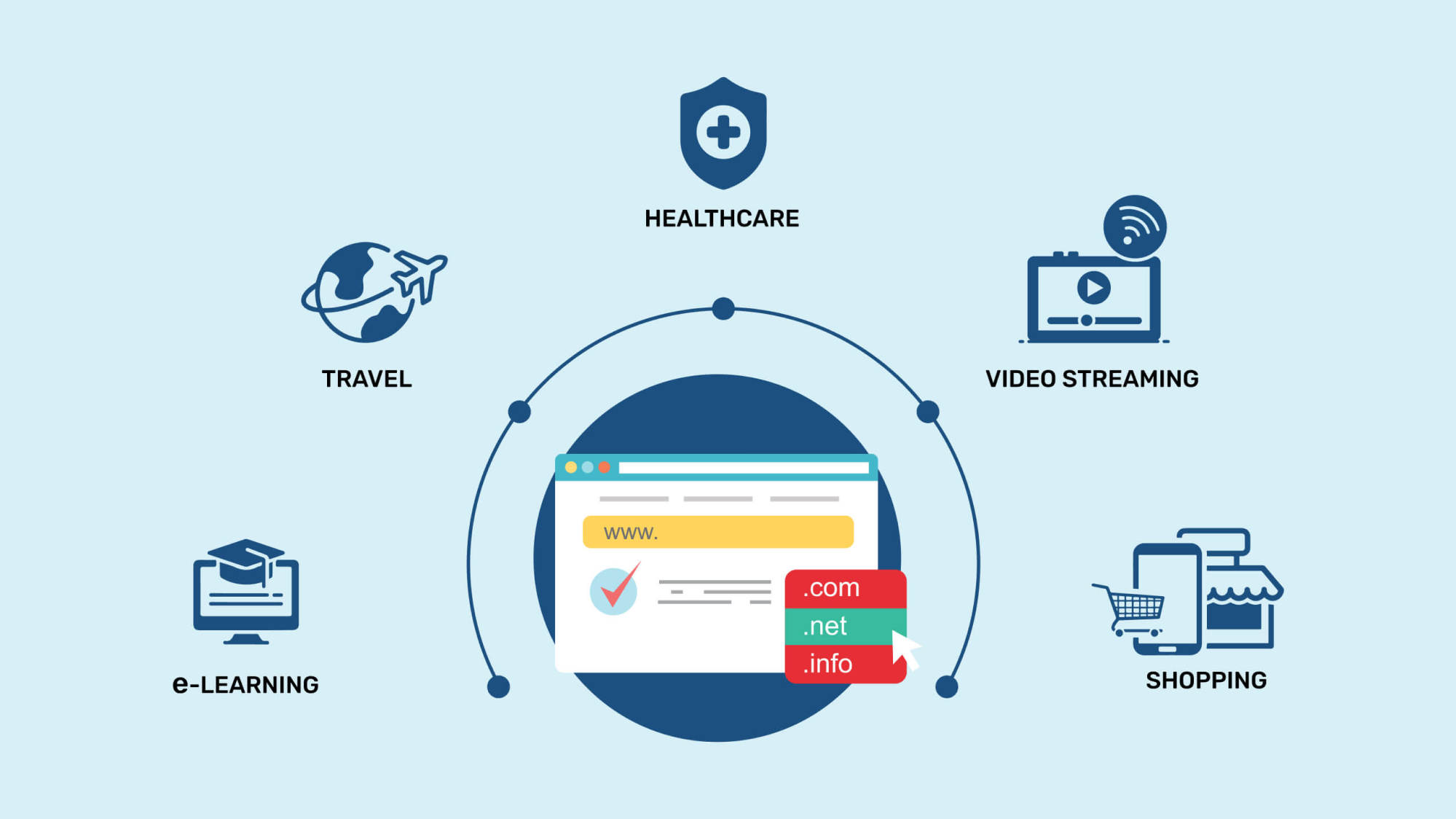
Industries where designers tend to earn more include fintech and banking, healthcare, and cybersecurity. And with the rapid rise of advanced technologies, AI-driven and data-heavy products are now part of that list as well.
Even if the price is higher, hiring an experienced designer who already understands your domain gives you far more confidence in achieving the best outcome. Designers with the right industry knowledge avoid common UX pitfalls, better understand the target audience, and make decisions that align with business requirements from the start.
For a startup, this can translate into significant savings in time and development costs.
Timeline and urgency
The timeline you set for the UX design project also affects how much you will pay. Tight deadlines usually mean higher rates, because urgency requires a designer to shift priorities, work longer hours, or compress discovery, user research, and iteration cycles that would normally take weeks.
Complex projects with accelerated timelines, for example, when you need a prototype “by next week” or a full redesign within a month, often come with extra fees or higher hourly rates. Shortened schedules also limit the amount of research and iterations a designer can conduct.
It's important to note that with less time for usability testing, interviews, or user feedback,, the risk of mistakes or overlooked valuable insights naturally increases.
Urgent timelines may also require designers to work outside normal hours or rearrange their existing workload. When a specialist has to pause or reschedule other client commitments to prioritize your UI design project, this opportunity cost is typically reflected in the final price.
While urgency raises costs, it can still be a worthwhile investment for startups. Designers who are accustomed to fast-moving environments can deliver high-quality results quickly, particularly if they have experience with rapid prototyping or lean UX.
Comparing the main designer hiring options
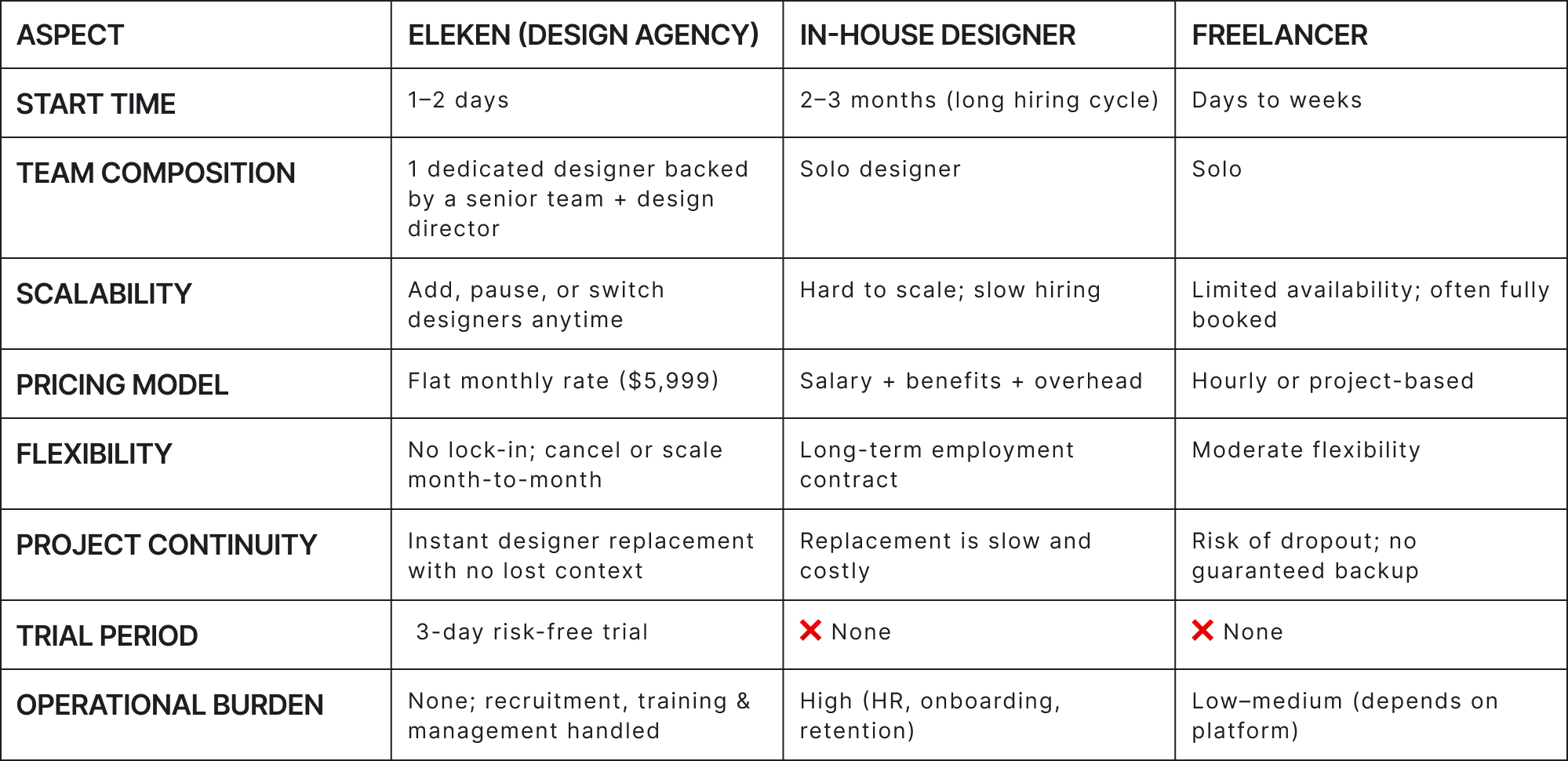
The final design costs also depend on the collaboration model you choose. After all, the price of working with an in-house designer, a freelancer, or a design agency can differ dramatically. Let’s look at how these three hiring options compare.

In-house designer
Probably the first option that comes to mind, especially if you have ongoing projects or expect to update your product’s visual design regularly. You pay a flat monthly salary and, once onboarding is complete, you get a new team member who (hopefully) stays with you for years.
However, hiring an in-house designer comes with additional costs. Computers, tablets, and other equipment make up a one-time expense, but you’ll also need to cover insurance, taxes, employee benefits, and paid sick leave. These overheads often add 20–30% on top of the base salary.
There may also be unexpected costs.
You might need to pay overtime or outsource part of the work if the workload turns out to be larger than expected. And if, after the probationary period, you realize the designer is not a good fit, you’ll spend more time and money restarting the hiring process.
Freelance designer
Freelancers usually charge an hourly or project-based rate, which varies depending on their qualifications. In many cases, freelancers do not price their services lower than those of full-time employees. The upside is that you save money on benefits, equipment, and long-term commitments.
We strongly recommend choosing this approach only if you have some prior experience working with designers.
Hiring an inexperienced freelance designer can be risky. While you may save money upfront with a lower hourly rate, you may end up paying more for redesigns, rework, or rebuilding your app design if something goes wrong.
Even with an experienced freelancer, there’s always the possibility of miscommunications between the designer and engineers, which can cost you time and money. And if the freelancer suddenly becomes unavailable or moves on to another UX project, you’ll have to start the search all over again.
Design agency
Agencies typically charge a fixed monthly price, making it easier for clients to predict expenses throughout the entire project.
At Eleken, we follow the same approach. When working with us, clients pay $6,599 per month for a full-time designer. They work in your tools, join your standups, and stay fully aligned with your roadmap.
Unlike freelancers, who often juggle several clients at once, you get a designer who is dedicated to your project. And if something isn’t working or your needs change, we can seamlessly onboard another specialist from our design team.
And the collaboration also doesn't have to end when the first version ships. Whether you need design improvements, new features, or post launch support, having an experienced designer who already understands your product makes future iterations much easier.
Another advantage is speed. The Eleken team can kick off the UX design process in 1–2 days, compared to the 2–3 months it typically takes to hire an in-house designer.
We also know that starting a long-term project can feel risky if you’re unsure whether a designer will be the right fit. That’s why we offer a 3-day trial. You don’t spend a dollar until you see our designer in action and confirm they’re exactly what you’ve been looking for (and in most cases, they are!).
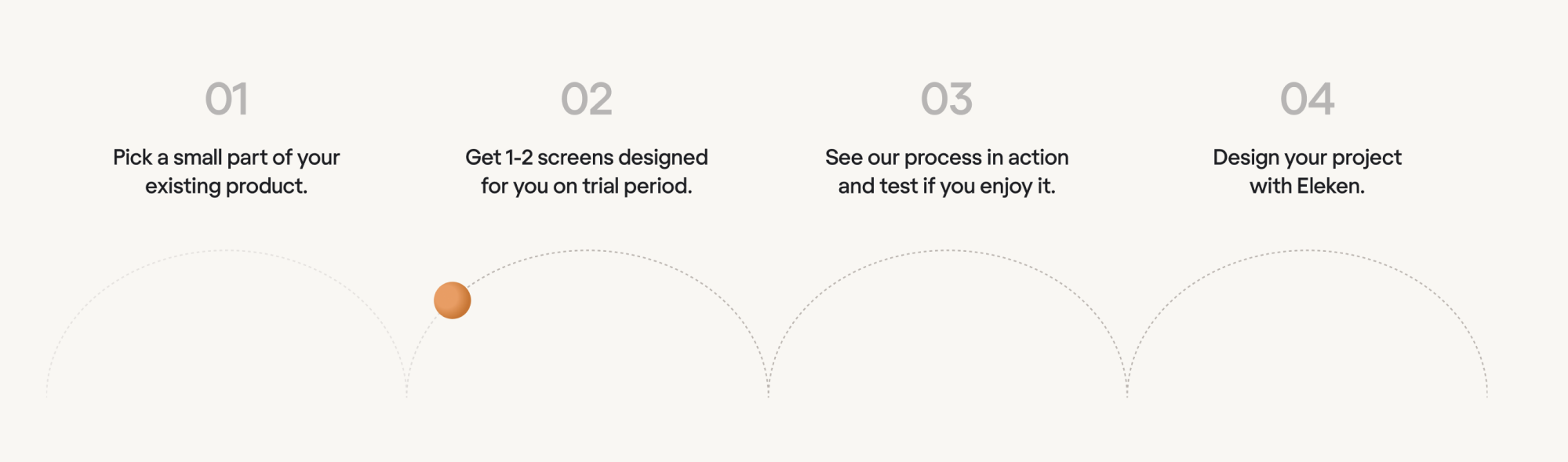
For many startups, partnering with a design agency is the best option, considering the flexibility, transparency, and talent access you get even before signing a full-time contract. Still, every project is different, so it’s important to consider your unique needs before choosing the right hiring model.
How to get the best design talent for less
Just to make it clear, we would not recommend saving money on design. Successful companies heavily invest in design, and the McKinsey report says that these investments do pay off. But of course, there are ways of getting great talent to work on your project without breaking the bank.
As mentioned, despite being more expensive than hiring a freelancer, collaborating with an agency is still cheaper than assembling a team of in-house designers from scratch. And when you collaborate with Eleken, you can save even more thanks to our unique pricing model.
As well, one of the most effective ways to reduce design costs is to optimize the way you work, rather than simply choosing the cheapest hiring option. Startups can save significantly by defining the project scope clearly, conducting comprehensive research, prioritizing features, and preparing detailed requirements before design begins.
A well-structured discovery phase and a clear roadmap help designers work faster, reduce rework, and prevent “scope creep,” all of which directly lower design expenses. The better prepared you are before the design process begins, the easier it becomes to avoid multiple iterations, reduce rework, and deliver a stronger final product.
To sum up
As a startup, your goal isn't simply to hire a designer — it's to find someone who understands your business goals, designs for your target audience, and helps deliver a seamless user experience. Yes, it can be overwhelming to navigate the countless questions that come with building a product, and design is one of the most important decisions you’ll face. Like most companies, you'll need to balance budget, speed, and long-term product goals when deciding how to hire a designer.
Typically, when it comes to hiring talent, the final price you'll pay is your soul, which depends on the project's complexity and various factors we've covered in this article. But when you're looking to partner with a UX design agency and don't want to take many risks, consider collaborating with Eleken.
Our designers can join your team quickly, and if you’d like to see how we work before committing, you can start with a 3-day trial. Just contact us, and we’ll walk you through the next steps.