Product DesignEngineering forB2B SaaS
Eleken gives you a senior product designer who finds what's wrong in your product, designs the fix faster using AI, and hands your developers a working frontend, ready to connect and ship.


Outsourcing vendors' one-size-fits-all processes don't fit SaaS startups.
We’re flexible. We customize our approach to fit each project's unique needs and pace.


What brings SaaS teams to us
"What ships isn't what we designed."
The Figma file is finished and something else ships. Not carelessness — engineers interpret what they can't see, approximate what's hard to build, and skip what isn't specified. What launches is a version of the design, not the design.
"Design has become the slow lane."
Development ships in days and design still works in weekly cycles. So features get built ahead of the design, and design turns into cleanup after the fact instead of the decision that came first.
"We know the old way doesn't work. We don't know what replaces it."
Good designers, working the way design has worked for fifteen years, in a company where everything else got faster. The problem isn't the people or the tools — it's that the process between a product idea and working code hasn't changed.
"We're designing with AI, and nobody can tell us if it's good."
You used V0, Lovable, Claude, take your pick, to sketch designs and prototype quickly. But then you realize you can’t fully trust what comes out. The output looks good for thirty seconds, then the UX logic falls apart, accessibility is ignored, components don't match the system. You can't ship it and you can't confidently fix it.
One senior designer, from research to working frontend
All four problems come down to the same thing: the person who decides what to build and the person who builds it aren't the same person, and the reasoning doesn't survive the distance between them.

Eleken embeds one senior product designer in your team.
- 01
- 02
- 03
- 04
and your numbers.Decide what’s
worth changing.Design it and turn it into working frontend built from your components.Validate what AI produces instead of trusting it.
They work in the same loop as your developers, not on a slower parallel track. Most teams don't have that person. The role barely existed three years ago.
How the product design engineering workflow works at Eleken

Here's what our clients got out of it
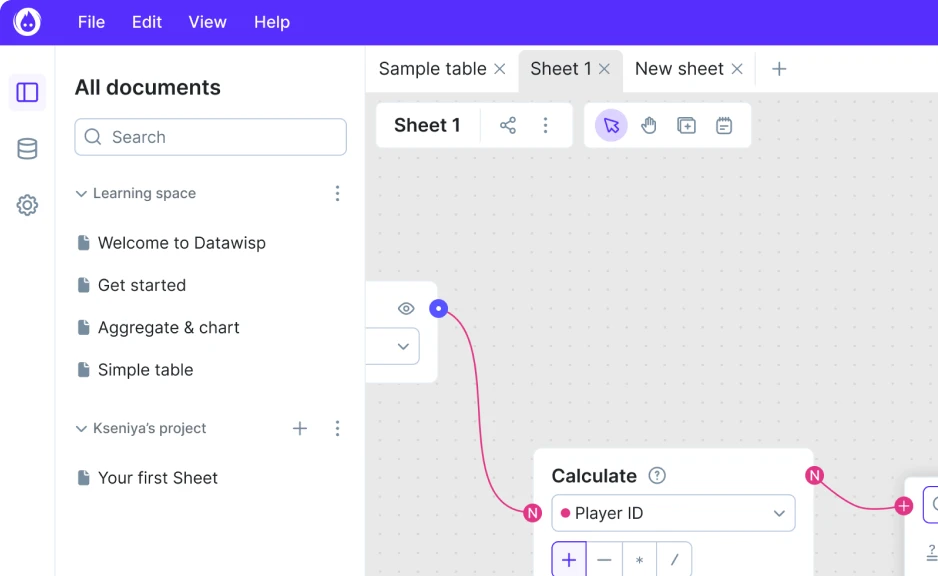
~8 hourssaved on one redesign after the client's developers stopped interpreting Figma files.
Before: developers built from Figma and comments, then our designer reviewed the live feature and filed tickets for what got missed.
Now: our designer makes the frontend change herself and opens a pull request. Developers review and optimize the code where needed — on that redesign, they never opened Figma.

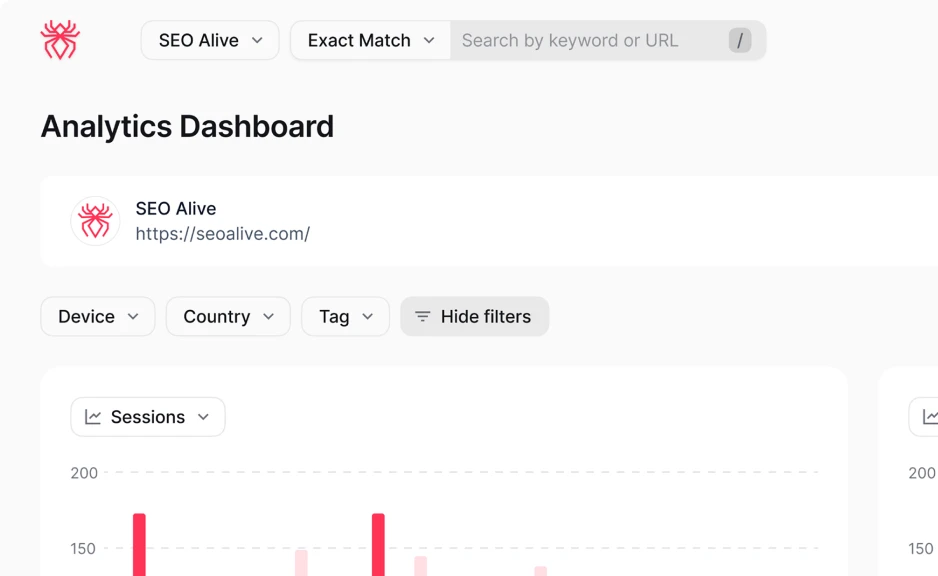
Development couldn't keep up,so we built the frontend instead of more designs.
Four months of designs were waiting for developers. Our designer built them as working frontend in the client's own stack, using their existing component library, so nothing had to be rebuilt to match.
Developers now have every screen, flow, and interactive element ready to connect and ship.
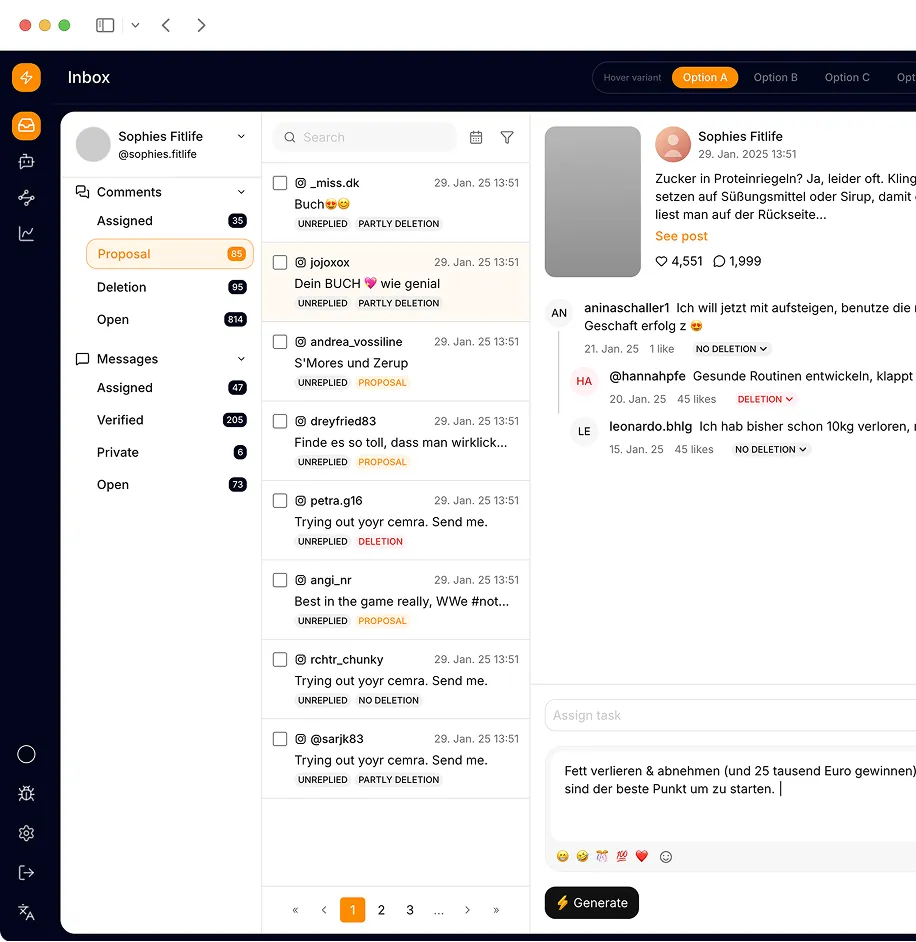
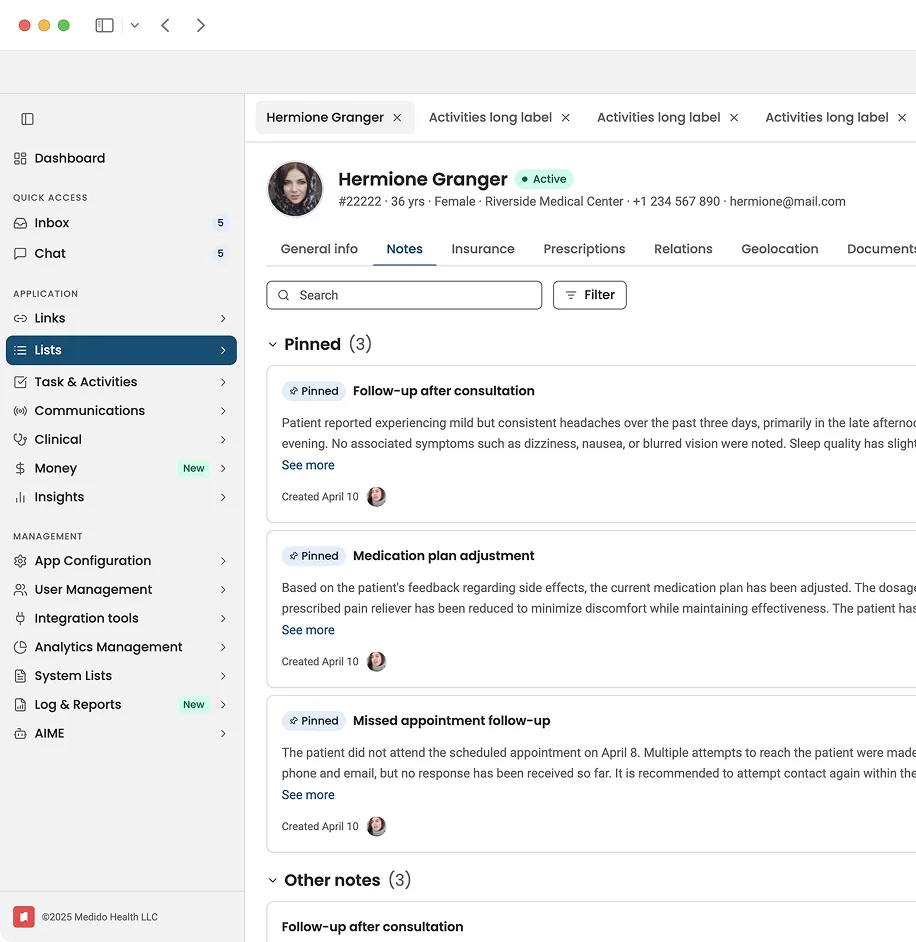
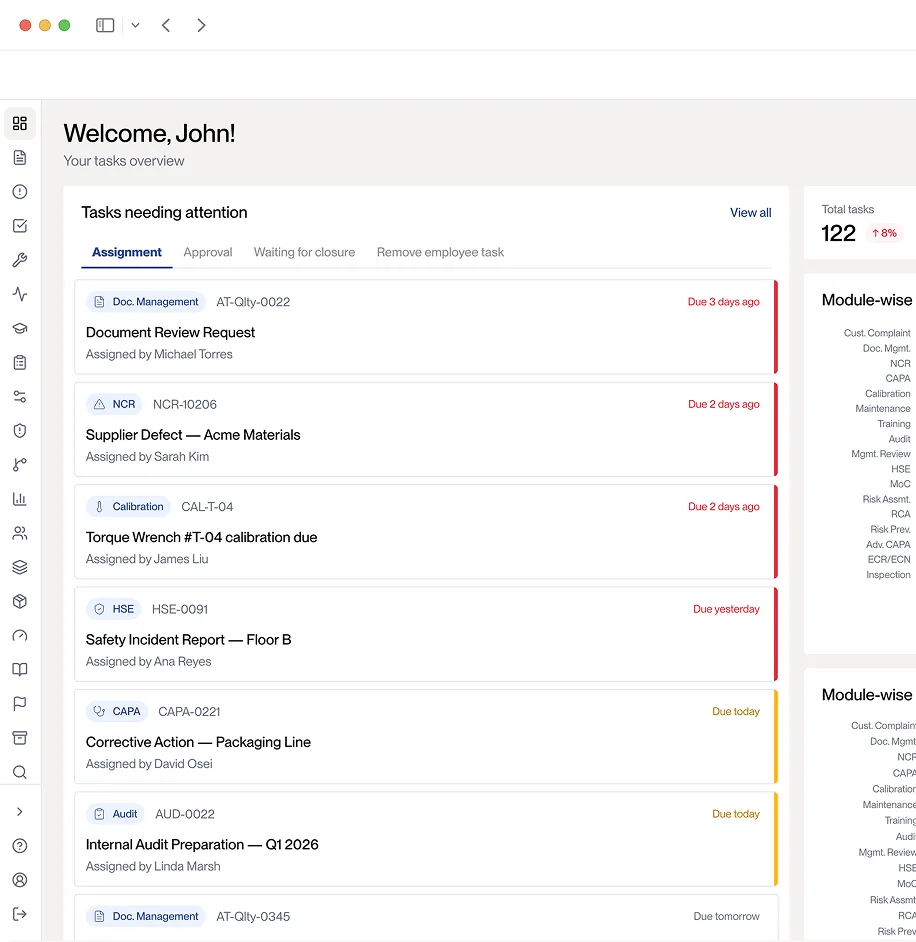
Code-based prototyping lets you test the real thing before you build it

You catch problems while they're still cheap
Your team approves what engineers will actually build
What you approve is already close to shippable
We build prototypes in code
We build prototypes in code
We build prototypes in code
You can prompt a prototype yourself. Knowing whether it's right is what you're paying for
AI makes interface creation dramatically faster and easier. That's exactly why we use it. The problem is that speed removed the bottleneck, not the need for judgment.
A generated prototype usually looks convincing until someone asks questions like:
- Does this actually solve the user's problem?

- What happens in empty, loading, permission, and error states?
- Does it fit the way this product already works?
- Is it accessible?
- Can engineering ship it without rebuilding half of it?
AI doesn't answer those questions. That's where an experienced product designer comes in
- We use AI to explore ideas quickly, then apply years of SaaS product experience to validate, challenge, simplify, and improve them before they reach your users.

AI generates
Eleken product designer decides
A design system keeps design and engineering building the same thing
On most teams the design system exists twice: a component library in Figma and a set of components in the code, kept in sync by hand. Every change means checking whether what shipped matches what was designed, and a round of comments when it doesn't.
In our process the design system is the bridge — we design with the components your product already ships
Design tokens
Colours, type, spacing, and radius held as values your developers use directly, exported as JSON into code. Change one and it changes everywhere, in design and in the product at the same time.
Storybook
The place both sides check what already exists. Your developers grab a component with all its states from there instead of rebuilding it, and your designer sees what's really in the product rather than what's in a Figma file.
Components with the reasoning attached
Anatomy, behaviour in every state, naming, when to use which one. So nobody has to ask, and nothing gets invented twice.
A system that grows with the product
When a screen needs something the library doesn't have, we add it to the system instead of shipping a one-off.
How changes reach your codebase
The same way any other change does.
We work on a separate branch
Never on main.
The change goes to your team as a Pull Request
With your existing checks running on it first: lint, tests, type checks, whatever your pipeline does.
Each Pull Request gets a preview environment
A live URL where your engineers review a working interface, not a screenshot.
Your team decides
Review it, ask for changes, merge, or reject. We don't deploy, and nothing reaches your users without your team putting it there.
Getting set up takes repository access and one call with one of your developers. If your stack or your security policy makes that impossible, we stay at the design and prototype layer, and your team implements from there.
What changes when one designer covers the whole path
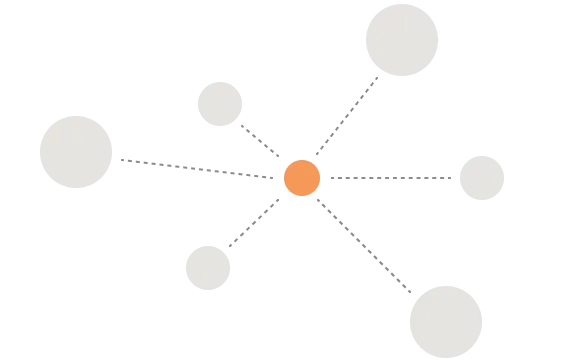
Fewer handoffs
Product discovery, design, prototyping, and frontend UI design happen inside one process. Nobody re-explains the reasoning at each step, because nobody hands it over.
Faster iteration
Working prototypes come back in days, not weeks. You comment on the real thing, we change it, and if two directions are worth trying you see both.

Less implementation friction
We design with what your product can actually do, so nothing comes back from development as "we can't build that."
A stronger product system
When a screen needs a component you don't have, it goes into the system instead of being built once and forgotten.
Judgment, not just execution
Designers who've worked on hundreds of SaaS products can tell you when a design won't work and why — before it costs you a release.
Accountability for outcomes
We name the number before we start and tell you afterwards whether it moved.
What product design engineering service is not
The term gets used to mean different things. Here's what it doesn't mean at Eleken.
Not product design that ends at handoff
Not frontend development
Not a prototyping service
Not Figma-to-code
Not AI design