Design system services for SaaS companies
AI made your UI cheap to generate and expensive to keep consistent. We fix the second part.


Where does your SaaS design system break?
I don't have a real system
Every new feature brings slightly different buttons, tables, spacing and patterns.
AI follows your design system
We set up a working foundation that AI follows, and keep it consistent as you add features.


Figma doesn't match the product
Components exist in Figma, but developers have their own versions in code.
One design system for Figma and code
We audit both Figma and code, agree on the correct version and rebuild everything from that one version.
AI became my design system
Your product increasingly looks like 1000 other AI products.
Custom components instead of generic AI designs
We audit what the product inherited, redesign the components to look like yours, and turn that into rules AI follows.
I have documentation but AI can't read it
The right components exist, but AI hardcodes values and recreates them anyway.
Keeping AI and your design system in sync
We turn what’s in your files into rules AI reads, and set up a process where every product change updates the system too.
AI can read my system but the output is inconsistent
Figma is connected, but AI still gets colours, spacing and fonts wrong.
Fixing inconsistent AI-generated designs
We set up a connection that reads your real tokens and components without the limits, so AI builds from the system, not from a picture of it.
Design systems used to be made for humans. Now AI is one of their users
Before, the system could be incomplete. A designer saw a gap and made a call. A developer saw an ambiguous spec and asked. Every undefined decision got filled in by a person who knew the product.
AI fills the same gaps differently. Where the system doesn't say, it doesn't ask. It picks a default because the existing one wasn't described.
So the system now has to make explicit what people used to infer: which component, in which state, when a new one is allowed, and where the rules live so the model actually reads them. That's what we build.
How we build a design system around your product
Most design systems are delivered as a project: an agency audits, builds, documents, and leaves. Six months later, nobody who ships features owns it, and the product drifts back.
We work differently. An Eleken designer joins your team, builds the system, then designs your next features on it. Every gap shows up in real work, gets fixed in real work, and the system is still alive when the designer is done.
Audit what you already have
We review your Figma, live product, component library, Storybook, and current AI workflow to find duplicates, design-code drift, missing states, disconnected components, undocumented patterns, and places where AI goes off-system.
What you get
- Ranked list of issues
- Design–code drift map
- Fix-first priorities
Fix the foundation
We consolidate the parts responsible for most of your UI. If there’s no system yet, we build that foundation from scratch.
What you get
- Core component library
- Figma variables & modes
- Token set
Encode the rules
We define which components and patterns to use, when to use them, how they behave across states, and when something new is needed so designers, developers, and AI work from the same product rules.
What you get
- Component inventory
- Usage rules in Figma & Storybook
- Do / don't per pattern
Put it to work on your product
We use the system on real product work, not just organize it and hand it over. This lets us see where it holds up, fix what still causes rework, and leave your team with a foundation they can keep shipping on.
What you get
- Next features on the system
- Fixes from real use
- Handover your team can ship on
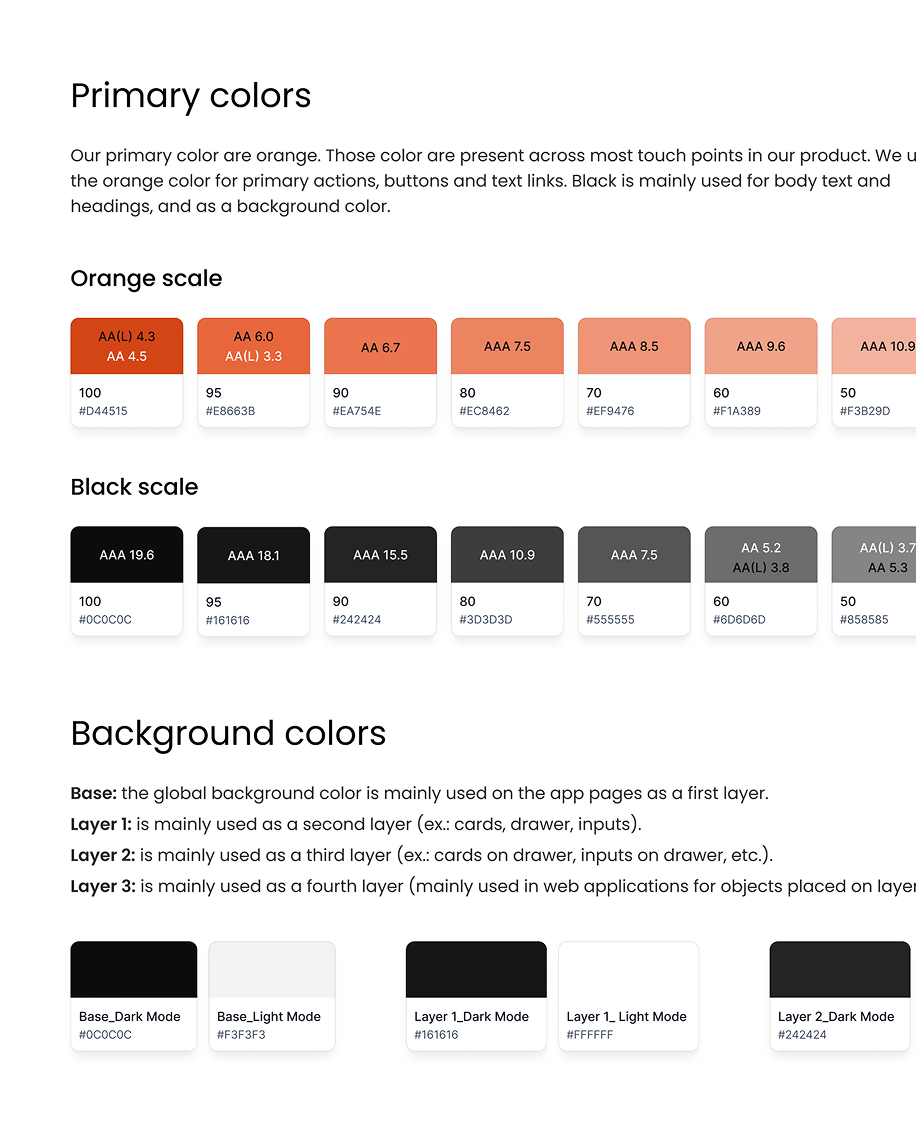
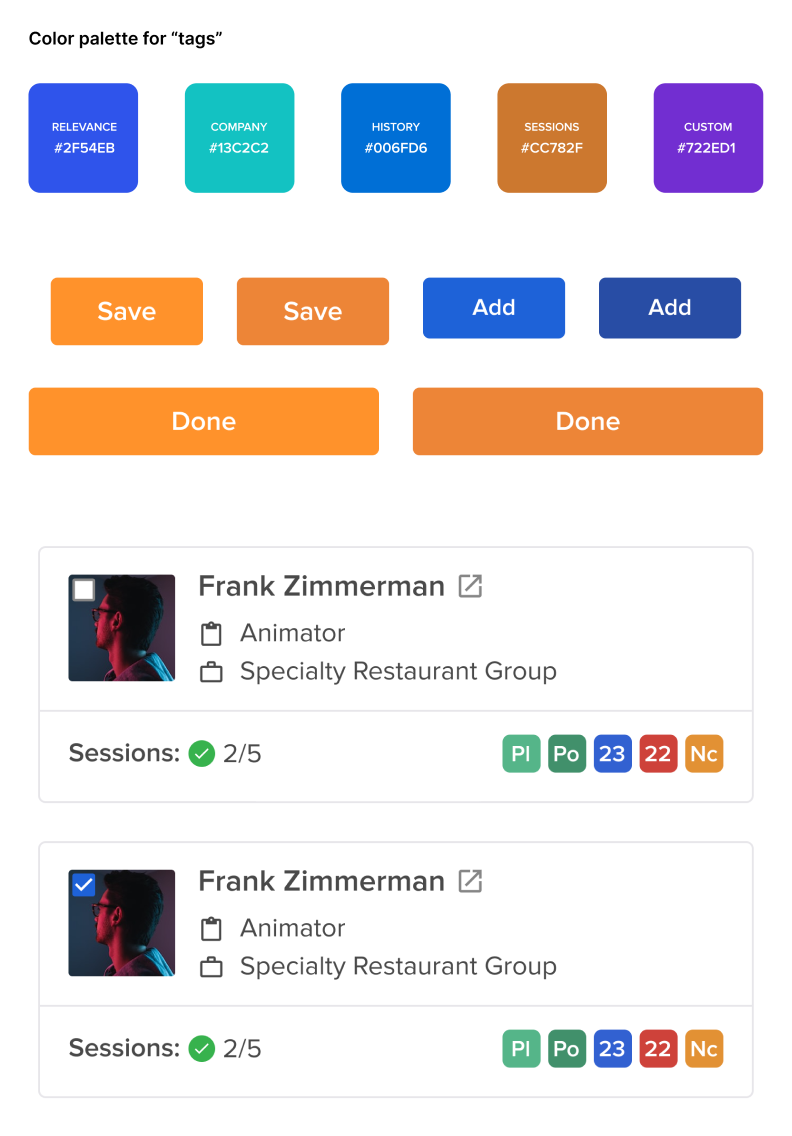
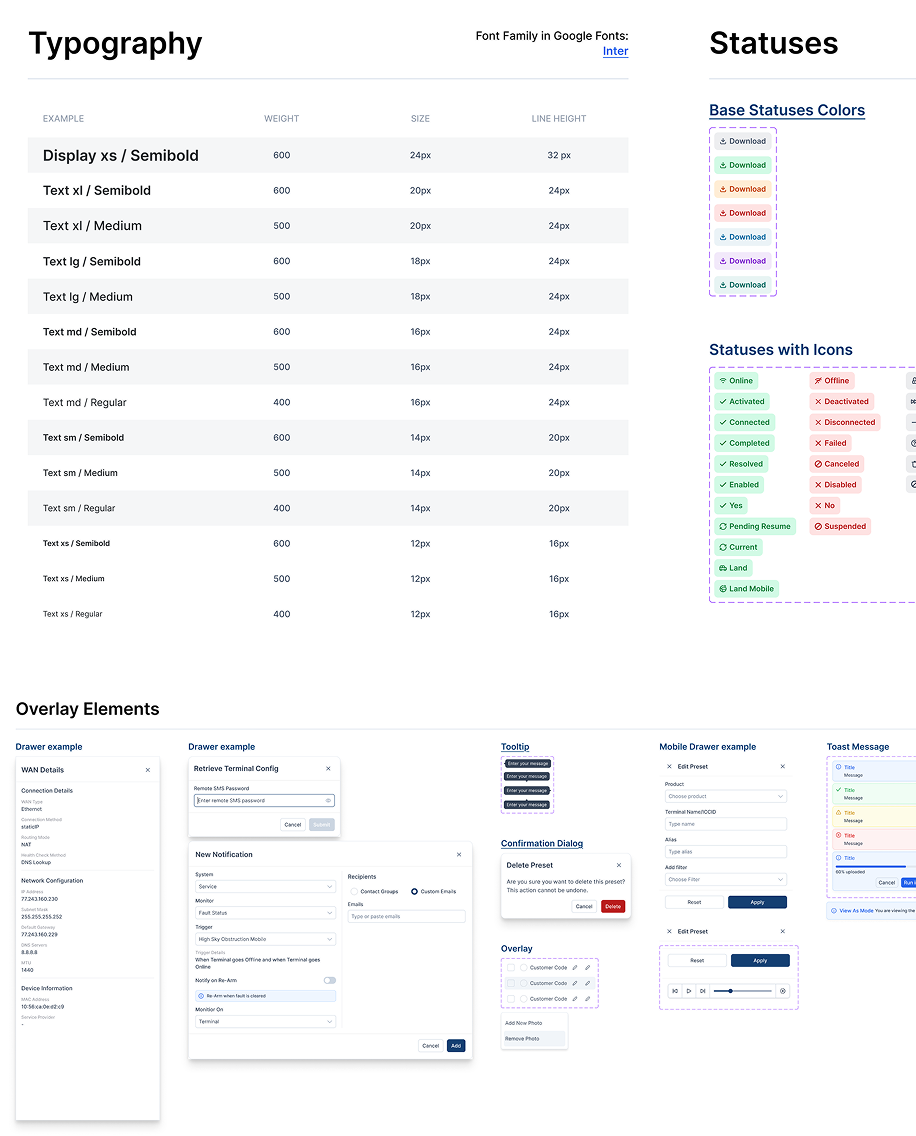
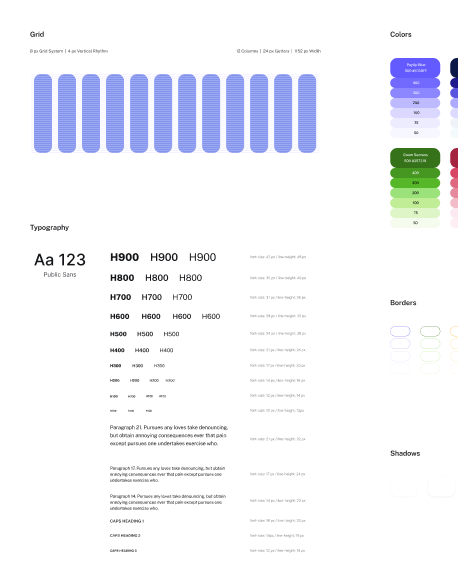
Design systems we’ve built for SaaS products








Not sure you need a design system agency?
Start with a free audit.
You don't need to commit to rebuilding your design system to work with us. Give us access to what you already have (Figma, Storybook, component library, or even a product without a proper system yet) and we'll look at how it holds up today.
We'll identify gaps in your design system, mismatches between design and code, and barriers to AI reuse. You'll know what needs fixing first and what already works.
You leave with a clear picture of what needs work and what doesn't.

Explore more solutions we offer