
Choosing between an in-house designer and an agency is a common SaaS challenge. Both options have clear advantages, and the decision on the right fit for your product really depends on your specific scenario. Yet if you’ve chosen to go external, the type of relationship matters more than most realize.
Not all external design help works the same way. In this article, we’ll focus on what separates a strategic UX partner from a design vendor, why that distinction matters, and how it plays out for teams building SaaS products.
Why external UX support isn’t all the same
Most UX agencies look remarkably similar from the outside. They showcase strong portfolios, describe their processes, and commit to delivering quality work on schedule. What's less obvious is how fundamentally different those working relationships can be.
External design teams generally work in one of two ways. Some agencies operate as vendors, executing design against specific requirements and delivering defined outputs. Others work as partners, engaging deeply in product strategy and collaborating throughout development.
Neither approach is inherently right or wrong. They simply work for different scenarios.
Understanding which one you're engaging with – and what that implies for ownership, collaboration, and expectations – is critical for avoiding friction and getting real value from external UX design support.
Design vendor vs UX partner: what’s the actual difference
To understand how both approaches differ in practice and which fits your needs, let’s examine each one on its own.
The vendor approach (execution-focused)
In a vendor relationship, external teams execute design against clearly defined requirements. They usually don’t engage in product decisions, and their work is measured by delivery speed, output quality, and adherence to requirements.
How it works
The process typically follows a structured handoff model:
- The internal team defines what needs to be designed – whether that's a new feature, a redesign, or a specific set of screens.
- The vendor takes those requirements, creates the designs, and delivers them according to the agreed timeline and specifications.
- Once the work is complete and approved, the vendor’s involvement naturally ends or moves to the next defined project.
Receiving defined requirements → Executing on brief → Delivering assets → Feedback & approval → Handoff and exit
How value is created
The vendor model excels at efficient and focused execution. You get polished screens, design specs, and assets ready for development. Timelines are predictable, costs are fixed, and scope is contained.
Few important considerations
- Narrow input: vendors execute what's asked, which means they won't challenge potentially flawed assumptions or suggest better approaches.
- Product context gaps: without deep product understanding, vendors can miss important nuances that affect design decisions.
- Less flexibility with changes: scope adjustments require renegotiation, which can slow down your ability to pivot when priorities shift.
The partnership approach (strategy-integrated)
In a partnership relationship, the external team engages with your product strategy, not just your design backlog. They participate in shaping what gets built, challenge assumptions, and work closely alongside your team throughout the product development cycle.
How it works
The process typically follows a collaborative, iterative model:
- Before designing anything, partners invest time in understanding your product strategy, business goals, and user context – researching and asking questions that shape what gets built, not just how it looks.
- Instead of waiting for complete requirements, partners work one sprint ahead of development, participating in discovery alongside product and engineering.
- They run validation tests, challenge feature assumptions, and may suggest alternative approaches based on UX principles.
- Designers collaborate closely with a product development team – joining standups, contributing to planning sessions, and adapting designs as priorities shift.
- Instead of handing off and moving on, the partner stays involved across product cycles – supporting implementation and helping evolve UX as the product grows.
Understanding context first → Surfacing decisions through discovery → Testing ideas → Shaping and refining → Staying involved over time
How value is created
Beyond polished designs, partnerships deliver better and more informed product decisions. Partners help you validate assumptions before committing dev resources, identify usability risks early, and ensure design solutions align – with both user needs and business goals.
They also bring process improvements. Through ongoing collaboration, partners introduce better design practices, strengthen cross-functional workflows, and let your team absorb pragmatic ways of thinking that outlast engagement.
Few important considerations:
- Organizational readiness: teams need to be open to collaboration, feedback, and thoughtful questioning of product decisions.
- Value builds over time: partners invest in understanding before designing, so results aren't immediate – but are more meaningful.
When SaaS companies should hire a UX partner (and when not to)
For SaaS companies, the way external UX support fits into the team can have different implications depending on context. Products evolve, priorities change, and UX decisions often extend beyond individual features or releases.
External designers can engage in different ways, which in turn affects how teams collaborate, make decisions, and move work forward.
Understanding when each approach is appropriate helps teams choose external UX support more deliberately – based on both their product’s needs and their team’s current setup – especially when planning for long-term UX collaboration within a mixed team partnership model.
When a UX partner makes sense
A UX partner fits when you need someone to establish clarity, build process, and bring in strategic product thinking – not just execute designs. This becomes particularly important when design decisions can't be fully defined upfront.
In SaaS teams where requirements evolve, tradeoffs are frequent, and clarity emerges through iteration, design needs to stay involved beyond execution.
This is especially true for small or under-resourced teams. When there’s no in-house design function — or when the team is very small — a UX design partner is often the most practical way to bring design capability into the product. They don’t just provide execution, but help establish direction, processes, and shared understanding early on.
For many early-stage companies, working with a UX partner for startups provides the flexibility and strategic input they need without committing to building a full in-house team.
And what’s important, though, is that this value doesn’t disappear as the team grows.
UX partnerships also tend to make sense when products become more complex or when teams are going through change. This includes situations like:
- complex onboarding flows or multi-step user journeys
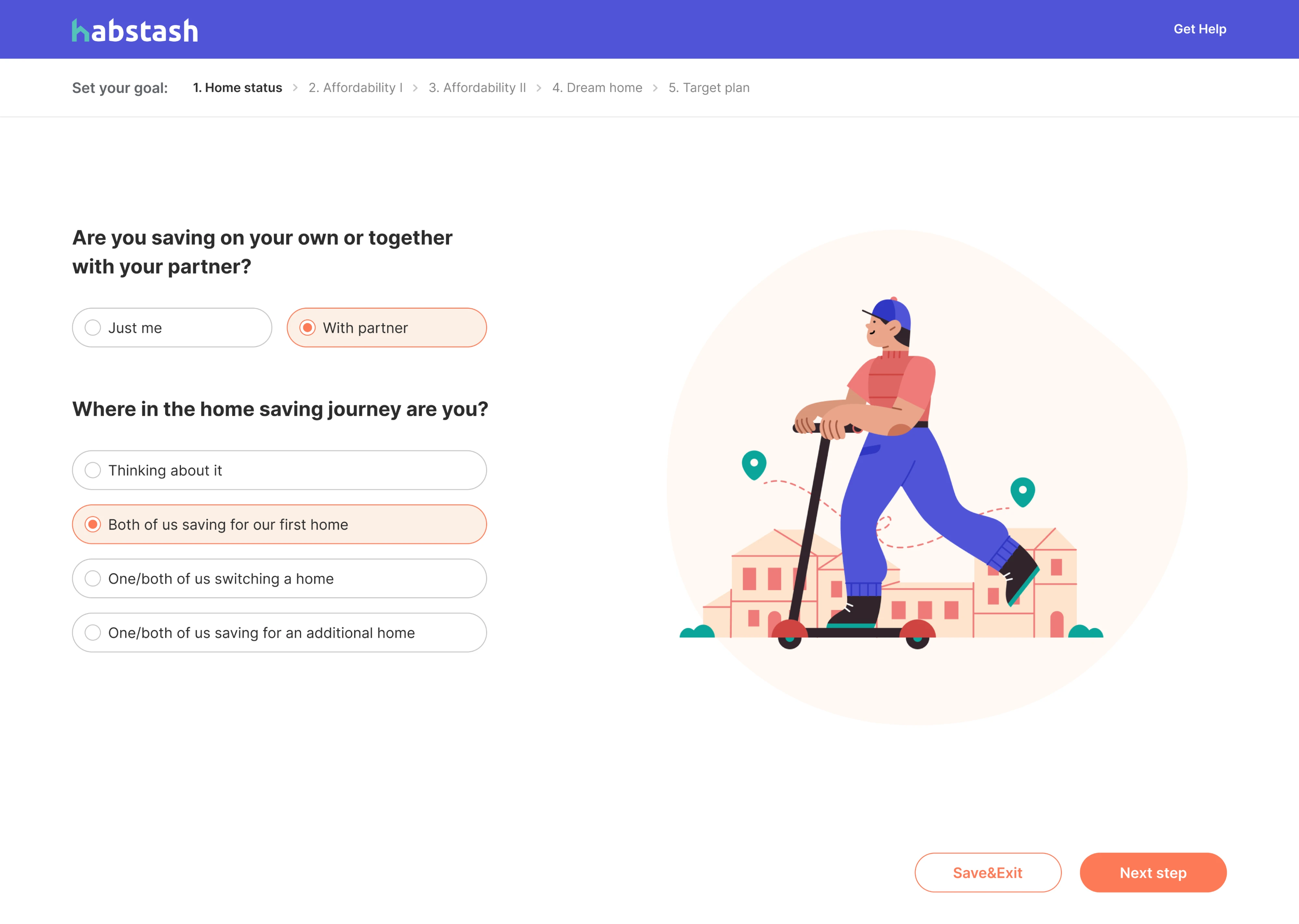
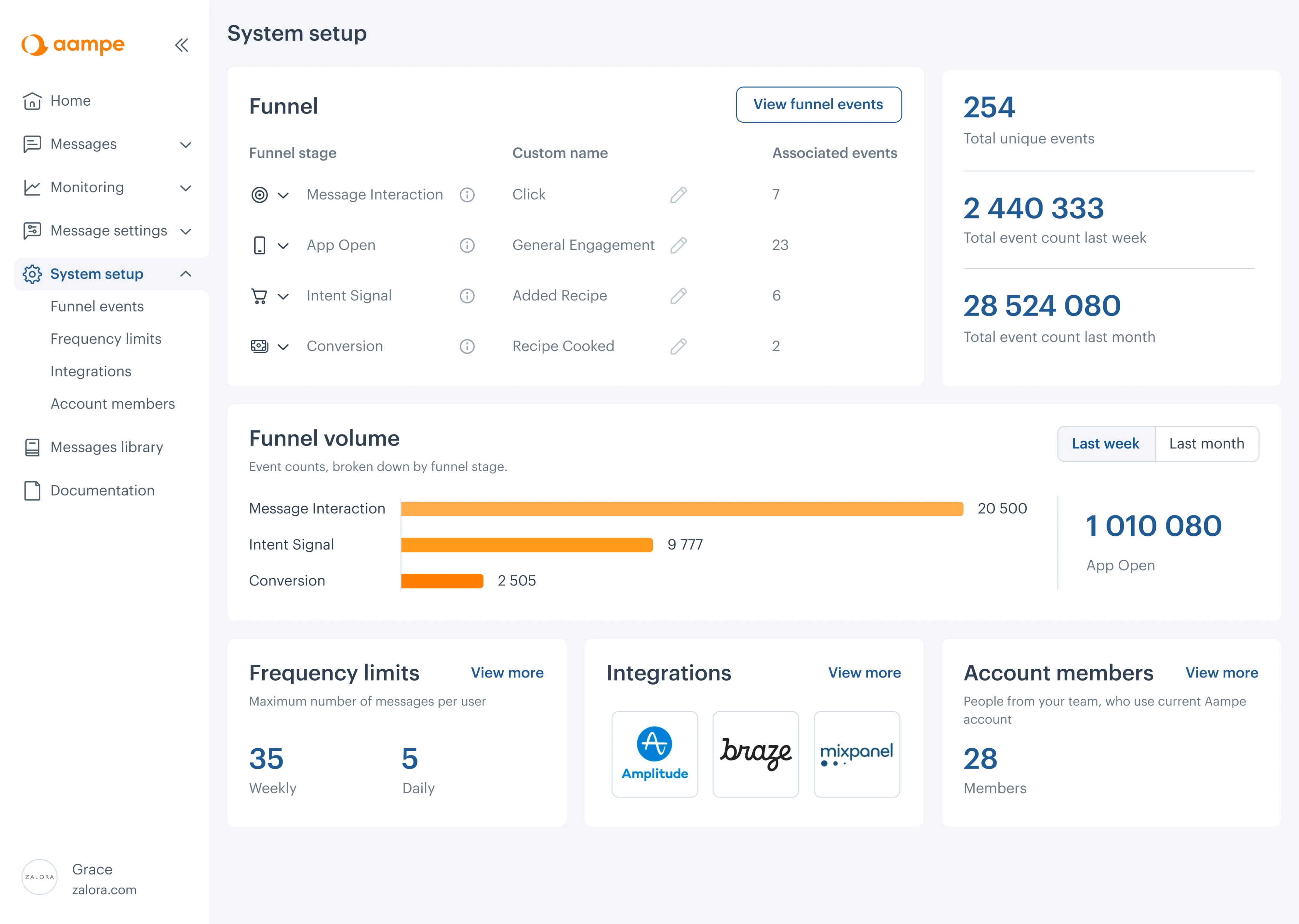
- data-heavy dashboards and analytics-driven interfaces
- pricing experiments and monetization changes
- multi-role SaaS products with different user needs
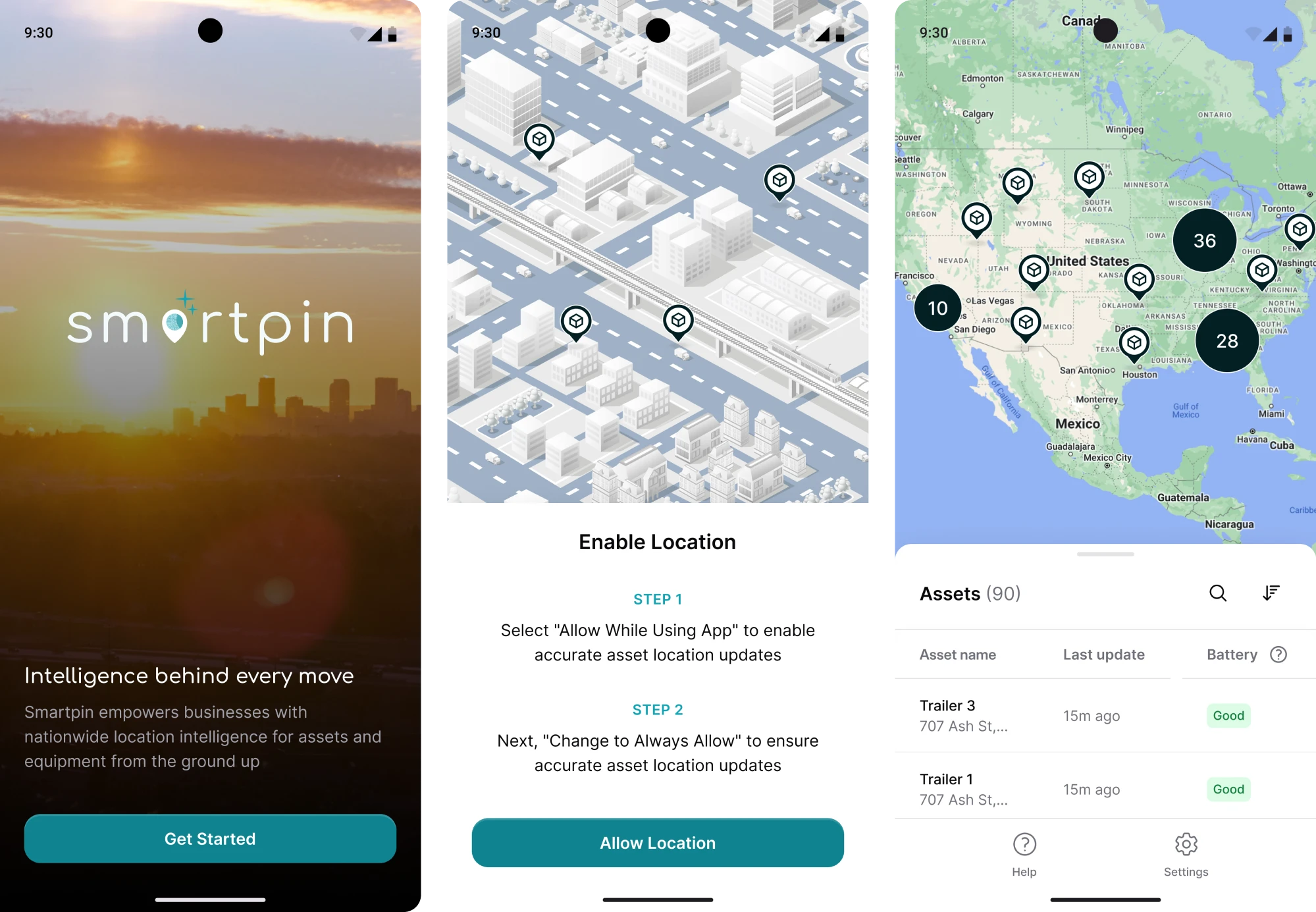
- legacy products that need gradual modernization
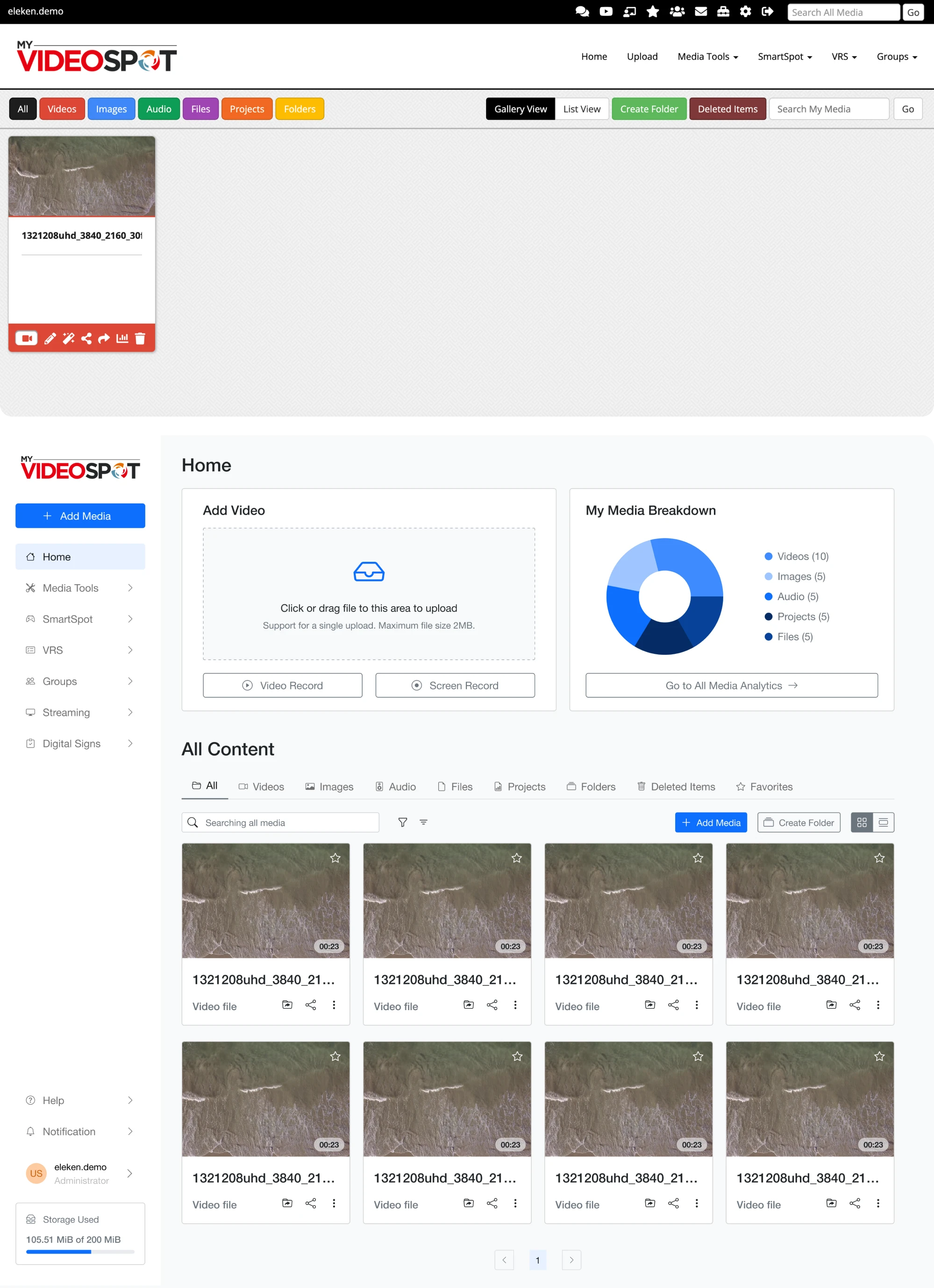
In these cases, the “right” solution is rarely obvious upfront. Design benefits from ongoing exploration, validation, and adjustment as the product evolves.
UX partnership models are also valuable during periods of growth or transition. As products scale and priorities shift, in-house SaaS design teams are often absorbed by business-as-usual work. A UX partner can focus on larger UX initiatives – such as redesigns or structural improvements – while staying aligned with product strategy.
Overall, the value and benefits of a UX design partner aren’t confined to your internal team setup or its maturity levels – they’re relevant across all stages. What changes is the nature of UX partner’s contribution as products and teams mature.
When a design vendor can be enough
After looking at the benefits of UX partnerships, it can be tempting to conclude that a design vendor is the ultimate wrong choice for SaaS teams. In practice, that’s not always the case.
A vendor setup can work well when a team is already fully staffed, product direction is sharp, and goals are well defined. In these situations, design decisions have largely been made, and the remaining work is about execution rather than exploration.
This approach is most effective when:
- tasks are clearly specified and ready to be assigned
- discovery and strategic decisions happen internally
- the team is confident about what needs to be built
- the main constraint is design capacity, not clarity
Here, external design support functions as additional hands. Vendors help teams keep up with delivery by executing known work efficiently, without adding strategic input or reshaping product decisions.
When used intentionally and in the right context, a vendor relationship can be a perfectly reasonable way to support a mature SaaS team — as long as expectations are aligned around execution rather than value-added guidance.
How Eleken works as a UX partner
If you happen to decide that partnership is the right model for you, the real challenge becomes how to choose a UX partner who can grow with your product and support it long term for the future.
Because calling yourself a "partner" is easy. Delivering on it consistently is harder.
Eleken is a SaaS-focused UI/UX design agency, deliberately built to work as a savvy extension of in-house product teams. We've designed our processes, team structure, and engagement model specifically to support strategic UX partnership.
Here's how we make that work in practice:
You gain battle-tested SaaS designers, not whoever's available
The partnership model requires the right people. Our designers are carefully selected not only for tech skills and design expertise, but also for cultural fit, strong communication skills, and product mindset.
Before joining client teams, every designer completes a three-month UX bootcamp where they learn Eleken's standards, practices, and design process. This ensures consistent quality and a shared approach to strategic partnership across all projects.
You work with a fully integrated designer like in-house
Our designers don't work through project managers or communicate via formal briefings. They embed directly into your workflow – joining Slack channels, attending standups, and participating in planning sessions. They understand context as it develops, not weeks after decisions are made. Overall, everything feels like you've added a talented product designer who happens to work remotely.
You leverage one designer, but get the entire team's expertise
Every designer works independently, but never alone. Every project is supported by a senior design lead who provides oversight, feedback, and guidance. And they are backed and can consult and get advice from 60+ vetted peers whenever needed. You get one dedicated designer, but with our entire team's UX skills and expertise available at hand.
You get SaaS-specific expertise, not generalists
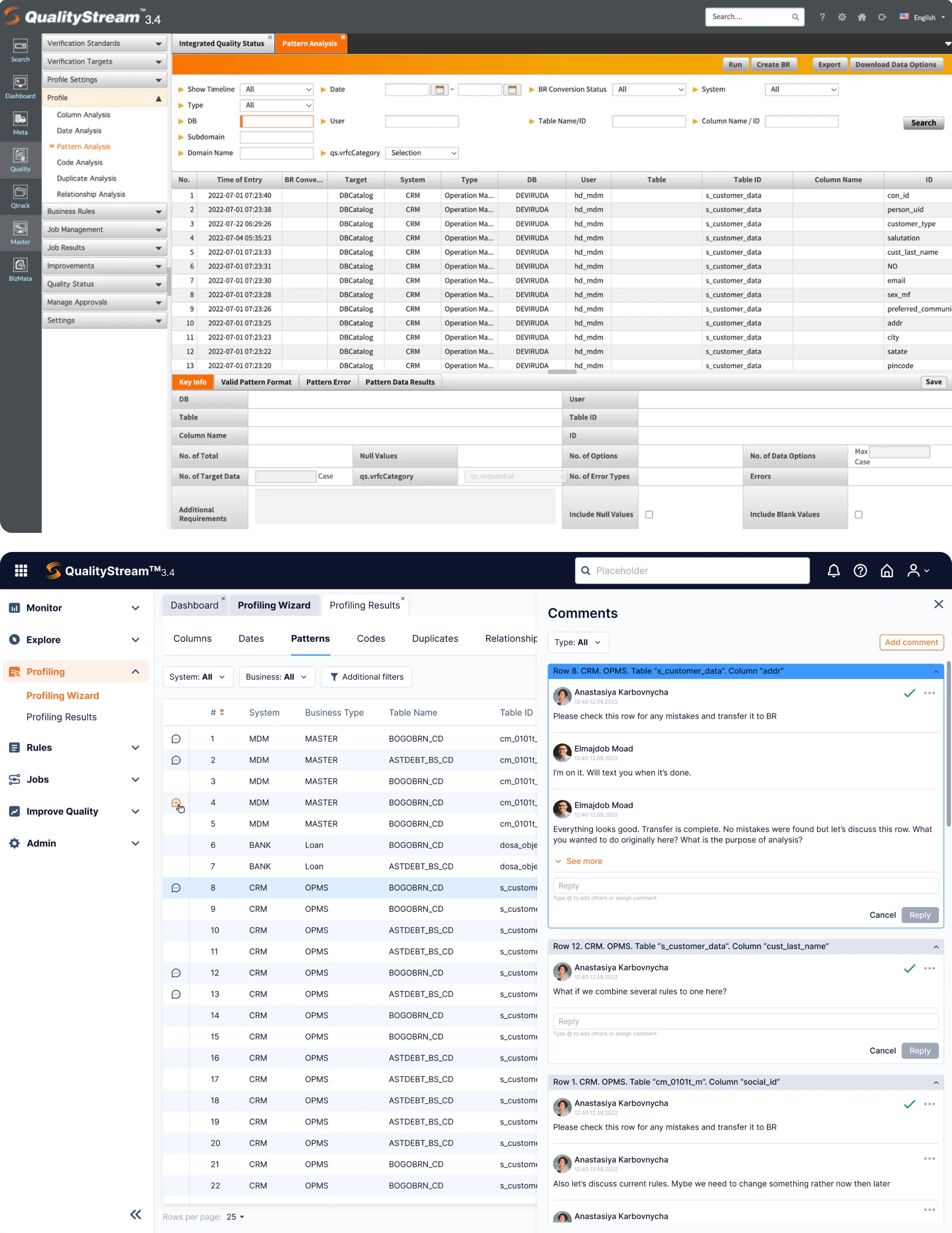
We don't design everything for everyone. Eleken specializes in SaaS, which means our designers understand the specific challenges you face. We work across all SaaS verticals, bringing hands-on industry expertise from fintech and healthcare to AI, geoservices, and beyond.
This focus means designers arrive with relevant knowledge, ask better questions faster, and contribute strategic input from experience working across similar product contexts.
You enjoy product impact, not just screen delivery
We measure success by whether designs solve problems and move product metrics, not by how many screens shipped. This mindset shapes how designers approach work – they validate assumptions, push back when something seems misaligned, and focus on what actually improves the product rather than completing tasks.
You experience speed and flexibility, not contract lock-in
We know SaaS teams move fast and priorities shift. That's why engagement starts in days, not weeks. From project request to delivery start, we respect your timeline.
Pricing is flat and straightforward – no surprise costs, no contract lock-in. You can add designers, pause engagements, or switch team members as needs change. We've built this flexibility in because rigid agency structures don't match how modern product teams actually operate.
And key point: you validate the fit completely risk-free
Trust is everything – and we don't expect anyone who's never worked with us to simply believe us on word. At Eleken, we offer a 3-day free trial so you can test how our designers work, how they integrate with your team, and whether our model fits your needs – with no commitment required.
Making the right choice for your SaaS
Design vendors and UX partners clearly serve different needs. Vendors are effective when the scope is clear, and execution is the priority. UX partnerships become valuable when products evolve, requirements aren’t fully defined, and design needs to stay involved as decisions unfold.
For SaaS teams, this distinction matters because products are never static. UX decisions compound, complexity grows, and alignment becomes harder to maintain as teams and products scale. In that context, the way external designers collaborate – not just what they deliver – has a crucial impact on outcomes.
As evidence, SaaS companies that truly invest in UX – often through external expertise – double conversion rates and see improved ROI. At Eleken, we have delivered over 200+ projects and have witnessed it first-hand. And you check it too – we have 64+ SaaS case studies that prove the real value.
Being a partner is both a privilege and a responsibility – and for us at Eleken, it means supporting teams not just in design delivery, but in helping products evolve with clarity and intent.